The transition from a solitary retail trader to a professional fund manager used to happen behind the closed doors of institutional prop firms or hedge funds. For years, the “buy and hold” retail mentality was the only accessible path for the public, while sophisticated multi-asset strategies remained the playground of those with Bloomberg terminals and seven-figure minimums. But the landscape has shifted. Today, the convergence of pamm account brokers and high-speed multi-asset platforms has democratized the ability to manage capital at scale.
When we talk about the evolution of trading, we aren’t just discussing faster execution or lower spreads. We are talking about the structural revolution of how capital is pooled, managed, and rewarded. Whether you are an investor seeking professional-grade alpha or a master trader looking to start a copy trading fund, understanding the nuances of PAMM and MAM systems is no longer optional—it is the prerequisite for modern wealth management.
What are PAMM and MAM accounts in contemporary brokerage?
PAMM (Percentage Allocation Management Module) and MAM (Multi-Account Manager) are systems that allow a single trader to manage multiple sub-accounts through a master pool. While traditional, these models are now being integrated into hybrid systems like Coinstrat Pro to provide institutional-level management with the flexibility of retail social trading. These technologies function as the “plumbing” of the investment world, ensuring that when a master trader clicks “buy,” the action is replicated across dozens or hundreds of accounts instantly and proportionately.
PAMM: The mechanics of pooled capital distribution
In a PAMM environment, the manager conducts trades on a “Master Account,” and the profits, losses, and fees are distributed among the connected “Investor Accounts” based on their percentage of the total pool. If a manager has $100,000 in total Assets Under Management (AUM) and an investor contributes $10,000, that investor owns 10% of the pool. When a trade is closed, 10% of the result is mathematically assigned to that investor. This model is exceptionally transparent because the software handles the distribution, preventing the manager from manually cherry-picking which accounts get the “good” trades.

A fund manager overseeing investments, illustrating the centralized management aspect of PAMM accounts.
MAM: Precision management for high-net-worth portfolios
While PAMM is about percentages, mam broker platforms offer a higher degree of granularity. Managers can assign different “multipliers” or allocation methods to different sub-accounts. For example, a manager might want a high-risk sub-account to take 2x the lot size of a conservative sub-account. This flexibility makes MAM the preferred choice for professional wealth managers who are handling a mix of retail clients and high-net-worth individuals with varying risk appetites.
Feature PAMM (Percentage Allocation) MAM (Multi-Account Manager) Social Copytrading Allocation Method Purely proportional (%) Multiple (Lot-based, Equity, Multiplier) Fixed size or Proportional Control Level Investor follows pool equity Manager can customize per sub-account Investor can modify individual trades Ideal For Mass retail pooling Professional wealth managers Casual social interaction Transparency High (software automated) High (detailed reporting) Varies by platform
The benefits of managing multi-asset environments via managed modules
Managing diverse assets like Forex, Metals, and Indices in a single PAMM structure allows for better risk diversification and operational efficiency. In a multi-asset environment, a manager can hedging across uncorrelated markets, providing followers with a more stable equity curve compared to single-asset strategies. The reality of 2026 is that markets are more interconnected than ever; a spike in gold prices (XAU) often correlates with shifts in the USD or movements in equity indices like the S&P 500.
Diversifying across 1,200+ instruments in one pool
A sophisticated hybrid broker provides access to far more than just currency pairs. By utilizing a platform like Coinstrat Pro: The Future of Financial Trading with Hybrid Solutions, managers can build portfolios that include crypto, stocks, energies, and ETFs. This multi-asset reach is crucial for surviving “black swan” events. When the FX markets are sideways, a manager can pivot to high-volatility crypto or stable-yield ETFs without requiring their investors to move funds to different accounts or platforms.
Automating complex lot distribution
The technical burden of managing 500 individual accounts is impossible for a human. PAMM/MAM technologies solve this by centralizing the execution. A manager only sees one interface—the master terminal. Whether they are trading 0.1 lots or 100 lots, the engine calculates the fractional distribution for every participant down to the fourth decimal point. This ensures that even “micro” investors with small deposits receive the exact same percentage-based performance as the largest whales in the pool.

Automated systems handle the complex distribution of trades across many accounts, making large-scale management efficient.
Maintaining transparency through real-time equity tracking
One of the historical “pain points” for investors was the delay in reporting. Modern mam broker platforms have integrated real-time dashboards. Investors can monitor their equity curve, current drawdowns, and open positions at any time. This level of visibility builds the trust necessary for long-term capital retention. For a master trader, this transparency acts as a marketing tool—your verified track record becomes your resume.
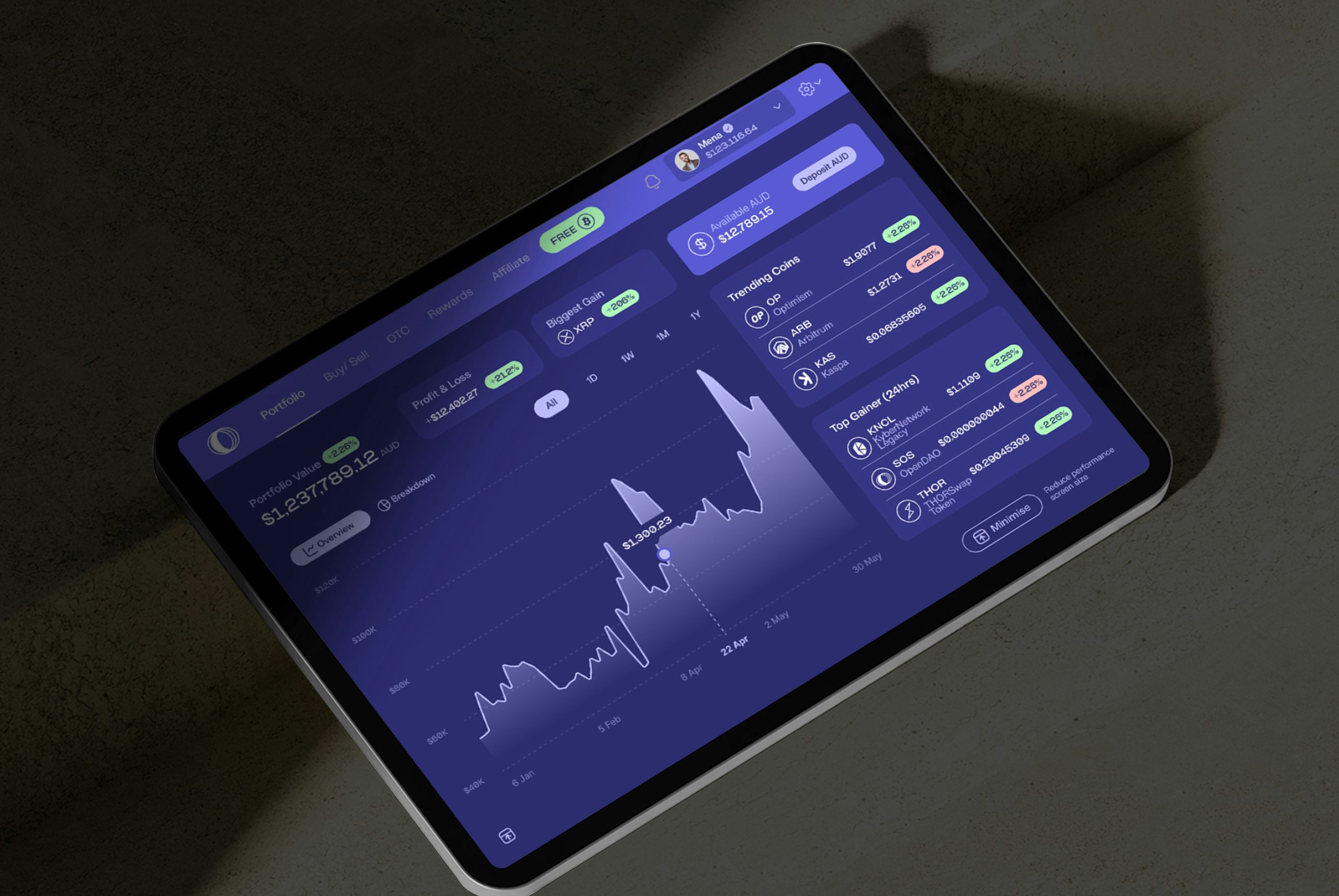
Investors can track their equity and performance in real-time, greatly enhancing transparency and trust.
Starting your own managed fund using hybrid broker technology
To start a copy trading fund, a professional trader uses a MAM/PAMM bridge or a social leaderboard to attract capital. Coinstrat Pro facilitates this by offering ‘Unlimited Level’ IB structures and six fee types, allowing managers to earn from performance, volume, and management fees simultaneously while scaling globally. The barrier to entry has never been lower, but the standard for excellence has never been higher.
“The shift from ‘trader’ to ‘fund manager’ isn’t just about winning trades; it’s about building a scalable infrastructure where your strategy can digest liquidity without slippage.”
If you are looking to scale, you need to consider the monetization layers available. Traditional brokers might only offer a simple profit share. However, top-tier hybrid models allow for a more nuanced approach:
-
Performance Fees: A percentage of the high-water mark profits (e.g., 20-30%).
-
Management Fees: An annual percentage of AUM, calculated daily.
-
Subscription Fees: A flat monthly fee for access to the strategy.
-
Volume-based Rebates: Earning from the turnover generated by the sub-accounts.
For those interested in how these hybrid models are taking over the market, watching the Binance AMA replay – Coinstrat Pro, The World’s First Hybrid Broker provides deep insight into how crypto-native benefits are being merged with institutional FX execution. This hybridity is what allows a manager to offer 24/7 trading opportunities across digital and legacy assets.
7 Ways PAMM/MAM Technology Revolutionizes Multi-Asset Trading
1. Elimination of Emotional Bias for the Investor
Most retail investors fail because they cannot manage their emotions during drawdowns. By entering a PAMM structure, the investor removes themselves from the “buy/sell” decision-making process. They are essentially hiring a professional to execute a disciplined strategy. This “passive alpha” is the cornerstone of modern wealth building, allowing individuals to grow their capital while focusing on their primary careers.
2. Unlimited Scalability for Master Traders
A trader with a $5,000 account is limited by their own margin. A trader managing a $5,000,000 PAMM pool is limited only by market liquidity. PAMM brokers allow skilled individuals to monetize their talent far beyond their personal savings. Since the technology handles all the back-office work—fees, payouts, and distributions—the manager can remain 100% focused on technical and fundamental analysis.
3. Institutional-Grade Risk Management
Modern pamm account brokers provide “hard-stop” features at the investor level. An investor can set an equity protection limit—for instance, if the account equity drops by 15%, the system automatically unlinks the account and closes all positions. This provides a safety net that is often missing in manual trading or less sophisticated social platforms.
4. Lowered Barriers to High-Yield Assets
Certain assets, like institutional-grade bonds or expensive stocks, have high entry prices. Through a pooled PAMM structure, investors can gain fractional exposure to these assets. This democratization is further enhanced by programs like All You Need To Know About CoinStrat’s Premium, which often offers additional perks or reduced fees for high-tier participants in the ecosystem.

PAMM structures allow fractional investment in high-yield assets, making them accessible to a wider range of investors.
5. Seamless Integration of Crypto and Forex
In the past, you needed a crypto exchange and an FX broker. Today’s hybrid brokers offer both under one roof. A MAM manager can trade BTC/USD as a hedge against gold or use crypto-assets to generate yield through Interest Rates programs while waiting for a high-probability setup in the Euro (EUR/USD). This “total portfolio” view is only possible through multi-asset MAM platforms.
6. The Rise of the “Super IB”
Introducing Brokers (IBs) are no longer just people who share referral links. They are becoming “fund scouts.” Modern platforms allow IBs to build unlimited multi-level structures. An IB can find a great master trader, bring in a network of investors, and earn commissions from the entire ecosystem’s volume. This creates a symbiotic relationship where the IB provides the capital, the Master provides the skill, and the Broker provides the tech.
7. Global Financial Connectivity
By supporting multi-currency deposits (SEPA, SWIFT, and Crypto), brokers like Coinstrat Pro allow capital to flow from anywhere in the world into a single managed strategy. A manager in London can manage capital for an investor in Tokyo and another in Dubai. This global liquidity pool makes the system incredibly robust and less dependent on local economic conditions.
Summary: Moving Toward the Hybrid Future
The gap between the “pro” and the “retailist” is closing. Tools that were once reserved for the towers of Wall Street—automated lot allocation, multi-asset hedging, and complex fee structures—are now available to anyone with the drive to master them. Whether you are looking to earn passive income, scale your trading career, or build a massive IB network, the pamm account brokers of today provide the infrastructure for tomorrow’s financial success.
The next step for any serious participant is to evaluate their current platform. Does it offer multi-asset depth? Does it provide the risk controls needed for professional management? And most importantly, does it offer the monetization potential to turn your skills into a global fund?
FAQ
Is a PAMM account safer than a standard copy trading account?
Safety is relative, but PAMM is generally considered more “disciplined” than social copy trading. In social copy trading, an investor can often interfere with individual trades, which can ruin the strategy’s logic. In a PAMM, the manager controls the execution while the software ensures proportional distribution, which prevents human error on the investor’s side. However, market risk remains the same in both models.
Can I withdraw my funds from a PAMM structure at any time?
Most modern brokers allow for “flexible exit” windows. While some managers may have a “lock-up” period to prevent sudden liquidity shifts from affecting open trades, many hybrid platforms allow investors to withdraw their equity during daily or weekly “settlement periods.” Always check the specific “Joining Terms” of the master trader before investing.
What is the typical performance fee for a PAMM manager?
Performance fees generally range from 15% to 50% of the net profit, with 20-30% being the industry standard. Most professional managers use a “High-Water Mark” (HWM) principle. This means they only earn a performance fee if the account value exceeds its previous peak, ensuring they don’t get paid twice for recovering from a drawdown.
How does a MAM account differ for institutional wealth managers?
MAM accounts are preferred by institutional managers because they allow for different allocation methods for different clients. An institution might manage a “Safe” fund and a “Growth” fund from the same master account by simply adjusting the multipliers for each sub-group. It provides a level of customized portfolio management that a standard PAMM cannot match.