The transition from a retail trader to a professional money manager is often paved with regulatory landmines and administrative headaches. In 2026, the dream of many skilled traders is simple: find a way to monetize their edge by managing capital for others. However, the old “wild west” days of social trading have been replaced by a sophisticated digital landscape where transparency and compliance are the only currencies that matter. If you want to scale your strategy and earn performance fees trading in 2026, you can no longer rely on handshake deals or opaque “profit sharing” schemes.
The regulatory environment has matured, and the technology supporting it has followed suit. Whether you are a master trader looking to scale your Assets Under Management (AUM) or an Introducing Broker (IB) building a network of followers, understanding the legal and technical nuances of fee structures is the difference between building a sustainable business and facing a cease-and-desist order. This guide navigates the complexities of modern performance fees, management structures, and the hybrid infrastructure that makes it all possible without a multi-million dollar legal budget.
Navigating the Legal Landscape of Trading Fees in 2026
In 2026, SEC and NFA guidelines require performance fees to be presented in a fair, balanced, and non-misleading manner. While traditional hedge funds require ‘qualified purchaser’ status for many aggressive fee models, hybrid brokerage models often utilize automated mirror trading where fees are transparently disclosed and deducted by the platform, simplifying compliance for individual master traders. The focus in the current regulatory climate has shifted toward the “Marketing Rule,” which emphasizes that any advertised performance must be shown as “net of fees.”

Understanding and adhering to the legal landscape of trading fees is crucial for financial professionals in 2026.
SEC Marketing Rule Updates for Performance Disclosure
If you are showcasing your trading track record to attract followers, the SEC’s updated Marketing Rule is your primary hurdle. You can no longer present “gross performance” (the raw profit of the account) without equally prominent “net performance” (what the investor actually keeps after your fees). Regulators are particularly focused on ensuring that if you anticipate charging different fees to different tiers of investors, your marketing materials must account for the highest possible fee to avoid being labeled as misleading. This applies whether you are a registered investment adviser (RIA) or a master trader on a social platform.
The Role of Registered FCMs and RFEDs in Fee Collection
For traders operating in the US or with US clients, the National Futures Association (NFA) maintains strict oversight. When you manage a PAMM (Percent Allocation Management Module) or a similar structure, you aren’t just a trader; you are effectively acting as a Commodity Trading Advisor (CTA). Most successful masters in 2026 bypass the heavy registration burden by partnering with brokers that hold Retail Foreign Exchange Dealer (RFED) or Futures Commission Merchant (FCM) licenses. These platforms act as the custodian, ensuring that when you earn performance fees trading, the money is moved according to predefined, transparent smart contracts or automated sub-account allocations.
Understanding Investor Disqualification Standards
Recent clarifications suggest that while high-level hedge funds are reserved for “Qualified Clients” (individuals with a certain net worth), social copytrade environments have created a “safe harbor” for retail participation. However, as a master trader, you must ensure your brokerage platform utilizes “Disqualification Relief” checks. This ensures that you aren’t unknowingly managing funds for “Bad Actors” or prohibited entities, which could jeopardize your ability to withdraw your earned commissions.
Structuring Your Fee Model: From Subscription to Percentage-of-Gain
Successful master traders typically use a ‘High Water Mark’ performance fee, often ranging from 10% to 30% of net profits. This ensures the trader only earns a performance fee when the account value exceeds its previous peak, aligning the trader’s incentives with the investor’s capital growth. Without this structure, an investor could end up paying fees on “recovered” losses, which is a major red flag for regulators and a quick way to lose the trust of your community.

The ‘High Water Mark’ model ensures traders are rewarded for achieving new profit milestones, aligning their success with investor growth.
How to Calculate Performance Fees Fairly
The most common and respected model is the “2 and 20” structure, famously used by hedge funds, but adapted for the high-velocity world of multi-asset trading. In a mirror-trading environment, the “20%” performance fee is calculated on a periodic basis—usually monthly or quarterly. If the account grows from $10,000 to $11,000, your 20% fee ($200) is deducted from the profit. However, if the account then drops to $9,500, you cannot charge another performance fee until the account value passes the $11,000 mark again.
Setting Management Fees for Operating Costs
If you are wondering how to charge a management fee for trading, it is important to distinguish this from performance-based compensation. A management fee is typically a flat percentage based on total AUM (e.g., 2% per annum), regardless of performance. This fee covers your “keep the lights on” costs—research tools, data feeds, and your time. In 2026, many master traders waive the management fee entirely to lower the barrier for new followers, relying purely on the performance fee to incentivize their own success. This “zero-management fee” approach is a powerful marketing tool in the Forex social trading landscape.
Tiered Fee Structures for High-Net-Worth Followers
For professional master traders, a “one size fits all” fee structure often leaves money on the table. In 2026, modern platforms allow for automated tiered structures:
Investor Tier Equity Range Performance Fee Management Fee Standard $500 – $10,000 30% 0% Pro $10,001 – $50,000 20% 1% Institutional $50,000+ 15% 2%
Automating Fee Collection via Hybrid Broker Platforms
Modern hybrid brokers automate the calculation and distribution of performance fees, removing the administrative burden from the trader. This technology ensures that fees are instantly settled upon the closing of a profitable period or trade, as defined by the master trader’s specific allocation method. This automation is critical because it eliminates the risk of an investor withdrawing their capital before they have paid your earned fees.
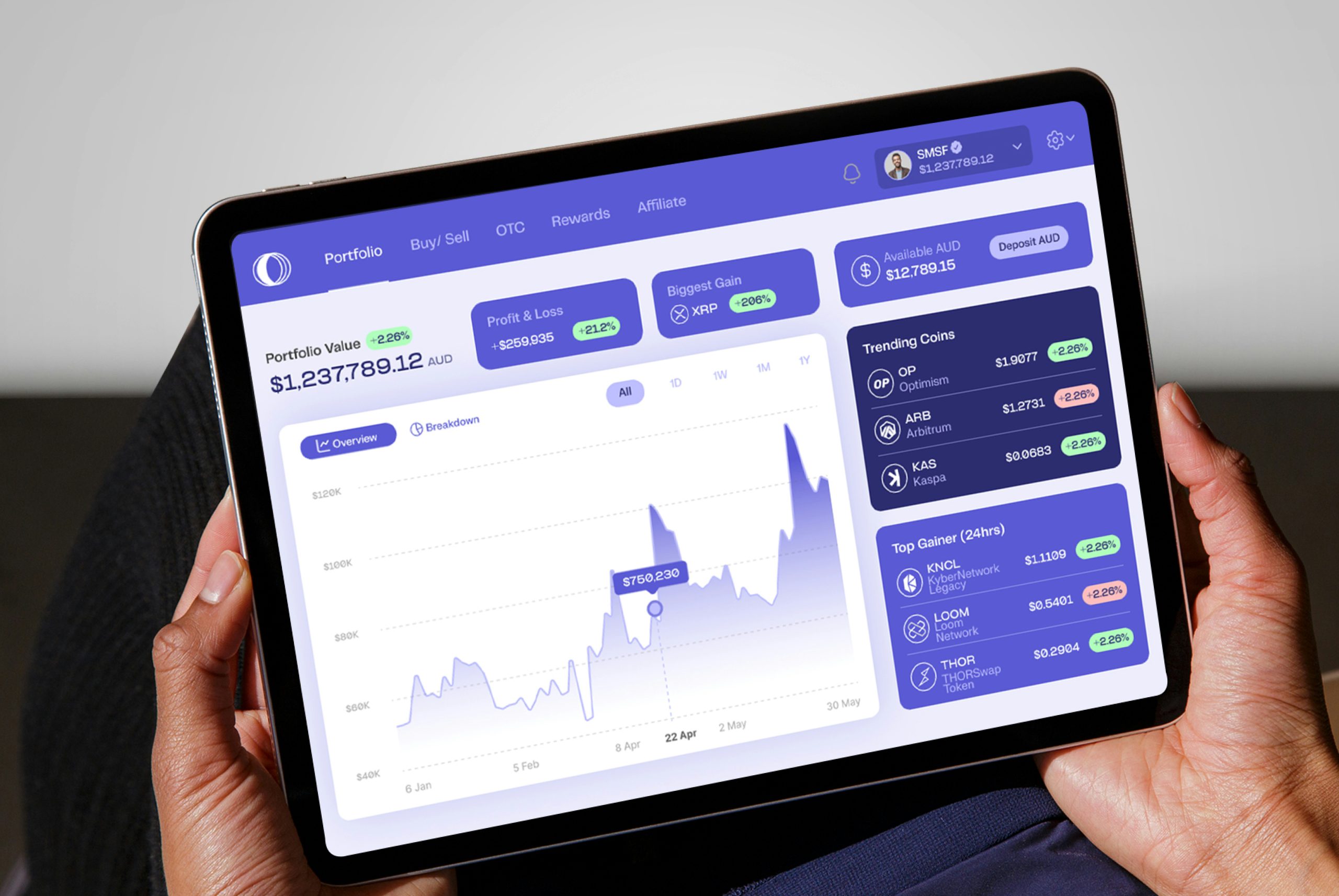
Hybrid broker platforms automate fee collection and settlement, allowing traders to focus on strategy rather than administration.
Instant Payouts: The Benefit of Real-Time Settlement
In the past, traders had to wait until the end of a month or quarter to see their performance checks. In 2026, hybrid infrastructure allows for “Instant Commission Payouts.” Since the broker controls the ledger for both the Master and the Follower, the moment a trade closes in profit, the logic checks the High Water Mark and moves your percentage into your wallet. This liquidity allows a master trader to reinvest their own earnings into their strategy immediately, compounding their personal wealth alongside their followers.
Transparency Tools for Investor Trust
Investors in 2026 are more educated than ever. They demand to see real-time drawdowns, Sharpe ratios, and fee transparency. A master trader who hides their fee structure or uses complex “joining fees” will quickly find themselves at the bottom of the global leaderboard. Using a platform that provides an advanced copytrade dashboard is essential. These dashboards allow investors to see exactly why a certain amount was deducted for fees, fostering a relationship of trust that is necessary for long-term AUM growth.
Managing Swap-Free and Multi-Asset Fee Variables
Trading in 2026 often involves a mix of FX, Crypto, and Metals. This creates complexity in fee calculation due to different swap rates and “holding costs.” For example, if you are a master trader holding a long-term gold position while scalping Bitcoin, your fee engine must be robust enough to account for the overnight costs of the gold position before calculating your net profit on the Bitcoin scalp. Choosing a broker that offers multi-asset environment support ensures that your performance fees are calculated accurately across every asset class without manual adjustment.
The Power of Unlimited Level IB Programs in Fee Scaling
For many professionals, the real wealth is not just in trading, but in the network. If you are an Introducing Broker (IB), your “fee” is the commission earned from the volume of your referrals. In 2026, the most lucrative models are “Unlimited Level” structures. This means you aren’t just earning on the people you personally refer; you are earning a small fraction of every trade executed by the people they refer, to an infinite depth.

Unlimited Level IB programs empower professionals to expand their income beyond trading by building strong referral networks.
“The shift from linear referral fees to multi-level, multi-asset commissions has allowed IBs to scale their income faster than the master traders they support.”
By combining performance fees (as a trader) with multi-level commissions (as an IB), you create a dual-income stream that remains resilient even during periods of market consolidation. This hybrid model is the cornerstone of Coinstrat Pro, where the technology integrates the cTrader terminal’s execution with a sophisticated social ecosystem. This allows master traders to set up to six different fee types—including Volume, Profit, and Management fees—providing a level of monetization flexibility that was previously only available to institutional fund managers.
Advanced Considerations for 2026: RAMM vs. PAMM
When deciding how to charge your followers, you must choose the right technology underlying the account. The industry is currently split between the traditional PAMM model and the newer RAMM (Risk Allocation Management Model).
-
PAMM (Percent Allocation): Best for long-term investors. Your profit is a percentage of the total pool. It’s simple but offers less control for the individual investor to set their own risk limits. For those looking to scale, understanding how PAMM help managers scale is vital for long-term AUM management.
-
Social Copytrade (RAMM-style): Offers granular control. Investors can reverse your trades, pause copies, or set hard equity-risk limits. As a master trader, this often results in more “sticky” capital because investors feel safer knowing they can pull the “kill switch” if they lose confidence.
To maximize your net profit, you should evaluate PAMM vs. Social Trading to see which matches your specific trading frequency and risk profile. High-frequency scalpers often prefer social copytrade models for the instant execution, while traditional swing traders find the stability of PAMM easier for calculating monthly performance fees.
Summary of Actionable Steps
Building a fee-based trading business in 2026 is about more than just having a high win rate. It requires a professional infrastructure that respects both the regulator and the retail investor. To get started, follow these steps:
-
Select a Multi-Asset Terminal: Use a terminal like cTrader that supports deep liquidity and provides the millisecond execution necessary for fair “copying” across FX, Crypto, and Stocks.
-
Define Your Performance Threshold: Set a High Water Mark and a fair performance fee (15-25% is the current market sweet spot for retail alpha).
-
Automate Compliance: Ensure your brokerage partner handles the technical deduction of fees. Never attempt to “invoice” followers manually; it is a regulatory nightmare and technologically inefficient.
-
Diversify Your Earnings: If you are scaling a network, look for “Unlimited Level” IB structures to layer volume commissions on top of your performance-based incentives.
By positioning yourself within a hybrid broker ecosystem, you can focus on what you do best—navigating the markets—while the technology ensures you are compensated fairly, legally, and instantly for your expertise.
性能
FAQ
What is the difference between a performance fee and a management fee?
A performance fee is an incentive-based payment calculated as a percentage of the net profits generated by the trader (e.g., 20% of gains). A management fee is a recurring charge, often an annual percentage of total Assets Under Management (e.g., 2% of total equity), designed to cover operational costs regardless of whether the account is profitable.
Are performance fees legal for retail traders without a CFA?
Yes, in 2026, most retail traders can earn performance fees by operating as a “Master Trader” within a regulated copytrade platform. In this ecosystem, the broker provides the legal and technical framework. However, promoting yourself as a professional investment adviser without a license is generally prohibited; you must remain within the “social trading” safe harbors provided by your broker.
How does ‘High Water Mark’ protection work for performance fees?
High Water Mark (HWM) protection ensures that a trader only earns a performance fee on new profits. If an account value drops, the trader must earn back those losses and exceed the previous peak value before they are eligible to charge another performance fee. This prevents investors from paying twice for the same growth.
Can I charge performance fees on crypto and FX simultaneously?
Absolutely. Modern hybrid brokers and multi-asset platforms allow you to trade crypto, FX, metals, and stocks from a single account. The platform’s fee engine automatically aggregates the total net profit/loss across all asset classes to determine your performance fee, ensuring you are compensated for your overall portfolio management.