The Hidden Opportunity Cost of Traditional-Only Brokerages
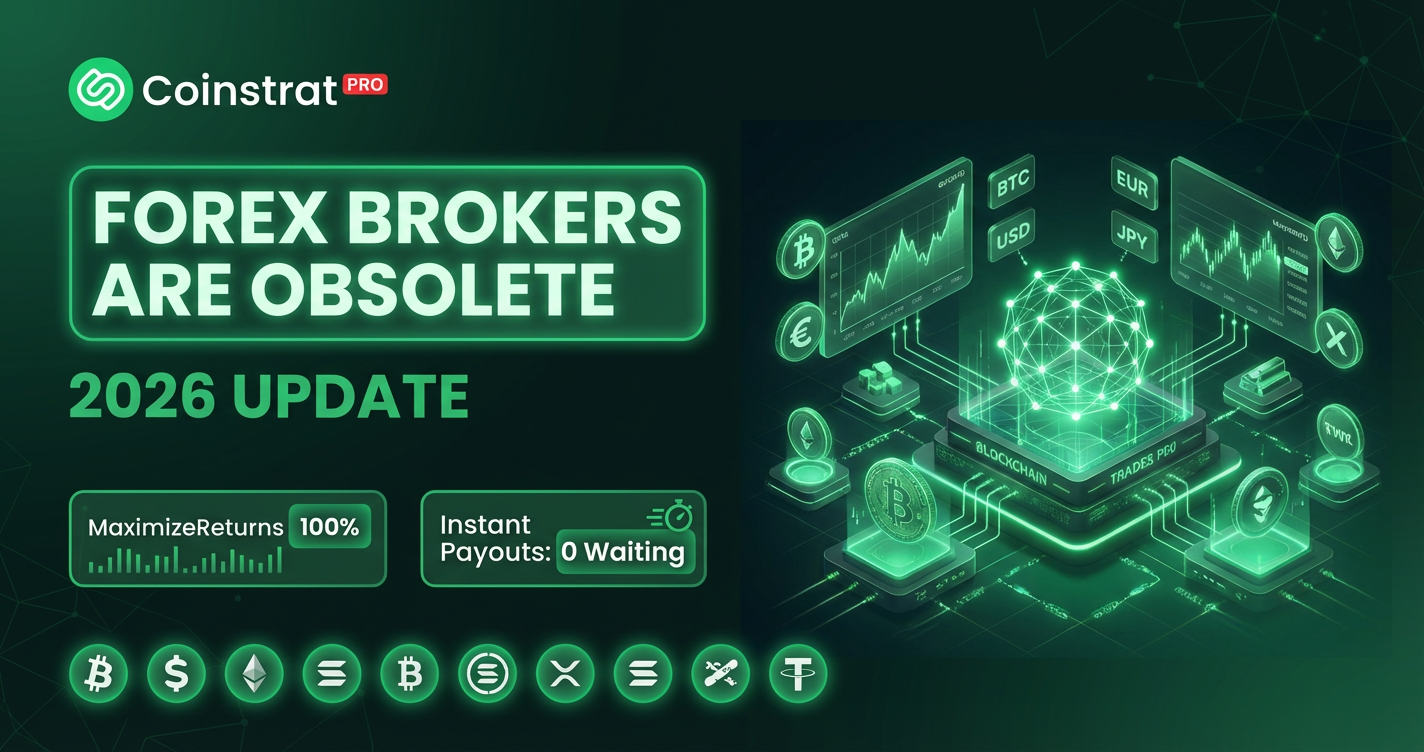
Traders operating only in traditional markets lose 48+ hours of revenue potential every week. A hybrid broker model solves this by integrating 24/7 crypto asset classes with institutional-grade FX and indices, allowing master traders to capture alpha across all market cycles and maximize social trading copytrade monetization 2026 throughout the year. While the “old guard” of the brokerage world still operates on a Monday-to-Friday schedule, the modern global economy does not. By restricting your operations to traditional forex, you are effectively leaving 28% of the week’s potential profits on the table.
The 24/7 Revenue Model: Why Weekends Shouldn’t Be ‘Dark’
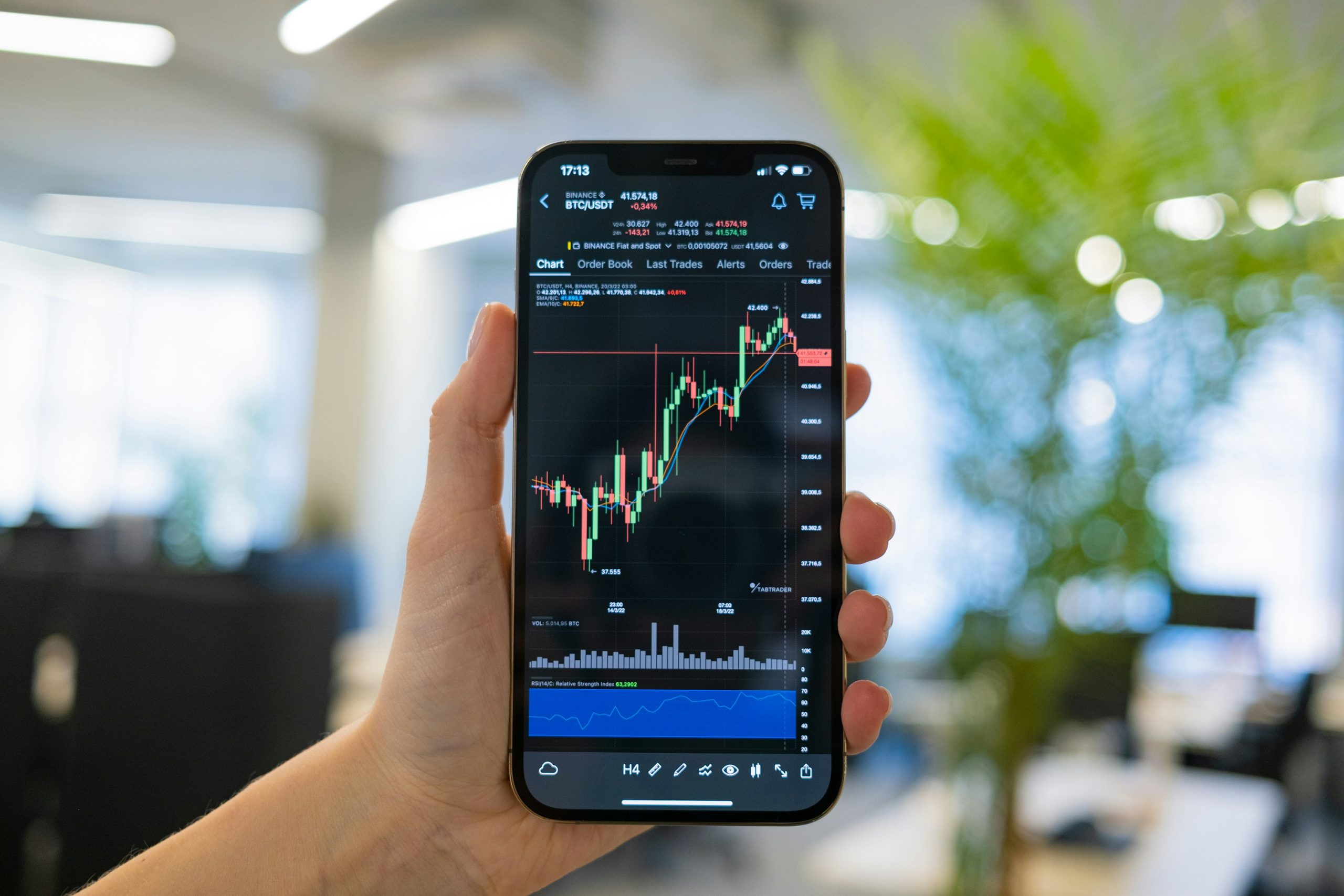
For a Master Trader or a fund manager, time is literally money. In a traditional brokerage environment, Friday’s close marks a dead zone. However, in 2026, the convergence of decentralized finance and traditional markets means that volatility—the lifeblood of trading—is occurring around the clock. If your copytrading followers see their equity sitting idle for two days every week, the perceived value of your “management” drops. Hybrid models allow you to pivot into high-liquidity crypto assets during FX weekends, ensuring that your management fee calculations and performance charts reflect constant activity and growth.
Comparing Liquidity Depth: Retail Brokers vs. Hybrid Institutional Hubs
One of the primary reasons professional traders are migrating away from standard retail brokers is the “liquidity wall.” Retail brokers often struggle with slippage when a Master Trader’s Assets Under Management (AUM) exceed a certain threshold. When you have 500 followers copying a 2.0 lot Gold trade, you need more than just a retail feed; you need Tier-1 liquidity that can absorb the aggregate volume without price distortion. Hybrid platforms, like Coinstrat Pro, bridge this gap by offering a Coinstrat cTrader environment where FX, metals, and crypto are treated with the same institutional-grade execution speed (often sub-100ms).
| Feature | Traditional Forex Broker | Modern Hybrid Broker (Coinstrat Pro) |
|---|---|---|
| Trading Hours | 5 Days a Week (Market Closed Weekends) | 24/7 Access (Includes Crypto & Synthetics) |
| Asset Diversity | Forex, Limited Commodities | 1200+ Assets (FX, Crypto, Stocks, ETFs, Metals) |
| Monetization Layers | Often Limited to Profit Share | 6 Fee Types (Volume, Joining, Subscription, etc.) |
| IB Structure | Capped Single or Dual-Level | Unlimited Levels & Personal Customization |
| Settlement Speed | T+2 or Manual Batching | Instant Commission Payouts |
Diversification as a Marketing Tool: Attracting Modern Investors
The investor profile of 2026 has changed. Retail participants no longer want “just forex.” They want exposure to the S&P 500, the security of Gold, and the explosive potential of digital assets. A Master Trader who can offer a balanced, multi-asset portfolio is a far more attractive prospect on a social leaderboard than a “one-trick pony” FX scalper. Hybrid brokers facilitate this by letting you hedge a crypto position against a traditional currency pair within the same margin account, simplifying the investor’s journey and increasing your retention rates.
Financial Engineering for the Modern Fund Manager
To optimize your investment business, you must utilize multi-level IB commission structure tips that account for multi-asset volume. By offering a unified account for FX and Crypto, you reduce friction for investors and increase the total ‘surface area’ for commission generation across your unlimited-level network. The primary friction point for any Introducing Broker (IB) or fund manager is the “multi-app” problem—where clients have to move money between a crypto exchange and a forex broker. Removing this barrier is the single most effective way to scale AUM in 2026.
Bridging the Gap: Using Crypto Savings to Anchor Capital
A major struggle for fund managers is “capital flight”—investors withdrawing funds during periods of low market volatility. Hybrid models solve this by integrating interest-bearing accounts. When the markets are choppy, investors can move their capital into flexible or fixed crypto earning programs within the same ecosystem. This keeps the capital within your network, allowing you as the IB or Manager to earn on the “float” or simply maintain a high AUM until the next trading opportunity arises. This “all-in-one” solution transforms a simple brokerage account into a comprehensive wealth management hub.

Managing Volatility: Superior Risk-Adjusted Scaling
In a traditional setting, your risk management is limited to the correlation between currency pairs (e.g., EURUSD and GBPUSD). In a hybrid multi-asset environment, you can use crypto as a high-beta component of a larger portfolio or use stablecoins to de-risk instantly. For social traders, the ability to set “equity risk limits” across a multi-asset pool is revolutionary. If your Bitcoin long position hits a specific drawdown, the system can automatically trim your FX exposure to protect the overall portfolio equity. This level of granular control is why sophisticated managers are abandoning legacy platforms.
The Technical Edge: cTrader Environments and Execution
Speed isn’t just about getting a better price; it’s about the “Copy Lag.” In social trading, if the Master Trader executes at 1.1200 and the follower executes at 1.1205 due to platform latency, the follower’s alpha is destroyed. Modern hybrid brokers utilize the cTrader terminal because of its native support for STP (Straight Through Processing) and its ability to handle millions of simultaneous trades. By utilizing a platform like Coinstrat Pro, which offers “Prime Liquidity,” you ensure that your followers’ results mirror your own with surgical precision, fostering the trust necessary to scale AUM into the millions.

Structure Your Business for 2026 Market Dynamics
The future of investment management is hybrid. Master traders who leverage 6 distinct fee types alongside an unlimited IB structure can build a resilient revenue model that is uncoupled from individual trade outcomes, focusing instead on total network volume and diversified asset performance and client retention. Gone are the days when a manager’s only income was a 20% performance fee. Today, savvy managers monetize the access, the education, and the volume accurately.
Scaling Beyond FX: The Rise of ETFs and Indices
While Forex remains the most liquid market, it often lacks the clear trending behavior found in Indices and ETFs during bull cycles. A hybrid broker allows a Master Trader to capture the 20% annual growth of a Tech ETF while simultaneously scalping volatility in the Crypto or FX markets. For an IB, this is a goldmine. You are no longer just selling “trading”; you are selling a “diversified fund” experience. When you utilize multi-level IB commission structure tips, you earn a spread on the FX trades and a volume commission on the ETF holdings, creating multiple concurrent streams of passive income.
Why Pure Crypto Brokers Fail Professional Mentors
On the flip side, “crypto-only” exchanges are often unsuitable for professional fund management. They lack the institutional tools like trailing stop-losses, advanced charting, and, most importantly, the regulatory frameworks required for large-scale FX and commodity trading. Professional mentors need the stability of a broker that understands margin requirements, swaps, and tiered account types (Standard, Pro, Raw). A hybrid broker like Coinstrat Pro provides the “crypto-native” benefits—like instant deposits via BTC or ETH—without sacrificing the institutional “Forex-grade” infrastructure.
Revenue Comparison: Single-Asset vs. Hybrid Fund Manager
Consider two managers, both with $1M in AUM. Manager A trades only FX on a traditional broker. Manager B uses a hybrid model. Manager A earns only when the FX market moves and clients stay active. Manager B earns from FX trades, weekend crypto volatility, interest on idle stablecoin deposits, and a multi-level IB network that spans thousands of sub-referrals. The difference in gross revenue can be as much as 300% even if both managers achieve the same 5% monthly return on their primary trades.
Key Takeaway: The winners in 2026 will be those who control the entire “financial stack” of their clients. By providing a platform that handles their savings (crypto interest), their active trading (FX/Metals), and their passive growth (copytrading), you move from being a “trader” to a “financial ecosystem.” Coinstrat Pro represents the pinnacle of this evolution, offering the tools to build, scale, and monetize that ecosystem with zero caps on your growth.
“The elite 1% of traders have stopped looking for the ‘best trade’ and have started looking for the ‘best structure.’ A hybrid brokerage is that structure.”
Actionable Steps to Transition Your Trading Business
- Audit your “Dark Hours”: Calculate how much volume you miss by not having crypto or weekend assets available.
- Consolidate your AUM: Move followers to a single account that supports multi-asset execution to reduce slippage and management overhead.
- Diversify your Fees: Don’t rely solely on performance. Implement management or subscription fees for your premium signals.
- Activate your Network: Use an unlimited-tier IB program to turn your best followers into your best advocates, allowing them to earn by referring others into your copytrade pool.
FAQ
How do 24/7 crypto markets impact management fee calculations?
In a hybrid model, management fees are often calculated based on High-Water Marks (HWM) or average daily equity. Because crypto markets never close, your AUM is live 24/7. This allows for more frequent fee crystallization (e.g., weekly instead of monthly) and ensures that your compensation reflects the modern reality of non-stop market exposure.
What are the risks of mixing crypto and forex in a single copytrade portfolio?
The primary risk is a “volatility spike” correlation. While FX and crypto are generally uncorrelated, during extreme global liquidity events, both can move in tandem. To mitigate this, modern hybrid platforms allow for granular risk controls, such as setting specific leverage limits for crypto trades that are independent of your forex settings.
Are hybrid brokers more regulated than crypto-native exchanges?
Generally, yes. Hybrid brokers typically operate within established financial frameworks used by traditional FX and CFD providers. This provides a layer of institutional oversight, data protection, and dispute resolution that many pure crypto exchanges—which often operate in regulatory grey zones—cannot match.
How does swap-free trading factor into a long-term fund management strategy?
Swap-free (Islamic) accounts are essential for long-term managers who hold positions for weeks or months. By removing carry costs, you can hold “trend-following” positions on assets like Gold or Bitcoin without the daily interest “bleed” eating into your performance fees. This makes your strategy more attractive to a wider global audience of investors.