The transition from a single-asset trader to a multi-asset portfolio manager is often the definitive moment when a retail investor begins to think like an institution. For years, the retail market was siloed: you were either a “forex person,” a “crypto enthusiast,” or a “stock picker.” These silos created a fundamental weakness—vulnerability to specific market cycles. When the FX markets went quiet, your capital sat idle. When crypto entered a “crypto winter,” your portfolio evaporated.
The emergence of multi asset copy trading has dismantled these silos. It allows investors to replicate the precision of professional traders across disparate markets simultaneously. Imagine having a top-tier FX scalper, a macro-focused gold trader, and a quantitative crypto specialist all working on your behalf within one unified account. This isn’t just about convenience; it’s about structural survival in a volatile global economy.
The Architecture of a Professional Multi-Asset Copy Trading Strategy
Successful multi-asset copy trading involves diversifying across uncorrelated markets—such as FX, Metals, and Crypto—through a single brokerage interface. This approach mitigates ‘single-market risk’ where a downturn in one sector (like stocks) can be balanced by gains in another (like gold or energy), providing a smoother equity curve for the follower. Building this architecture requires an understanding of how different asset classes interact under various economic “weather” conditions.
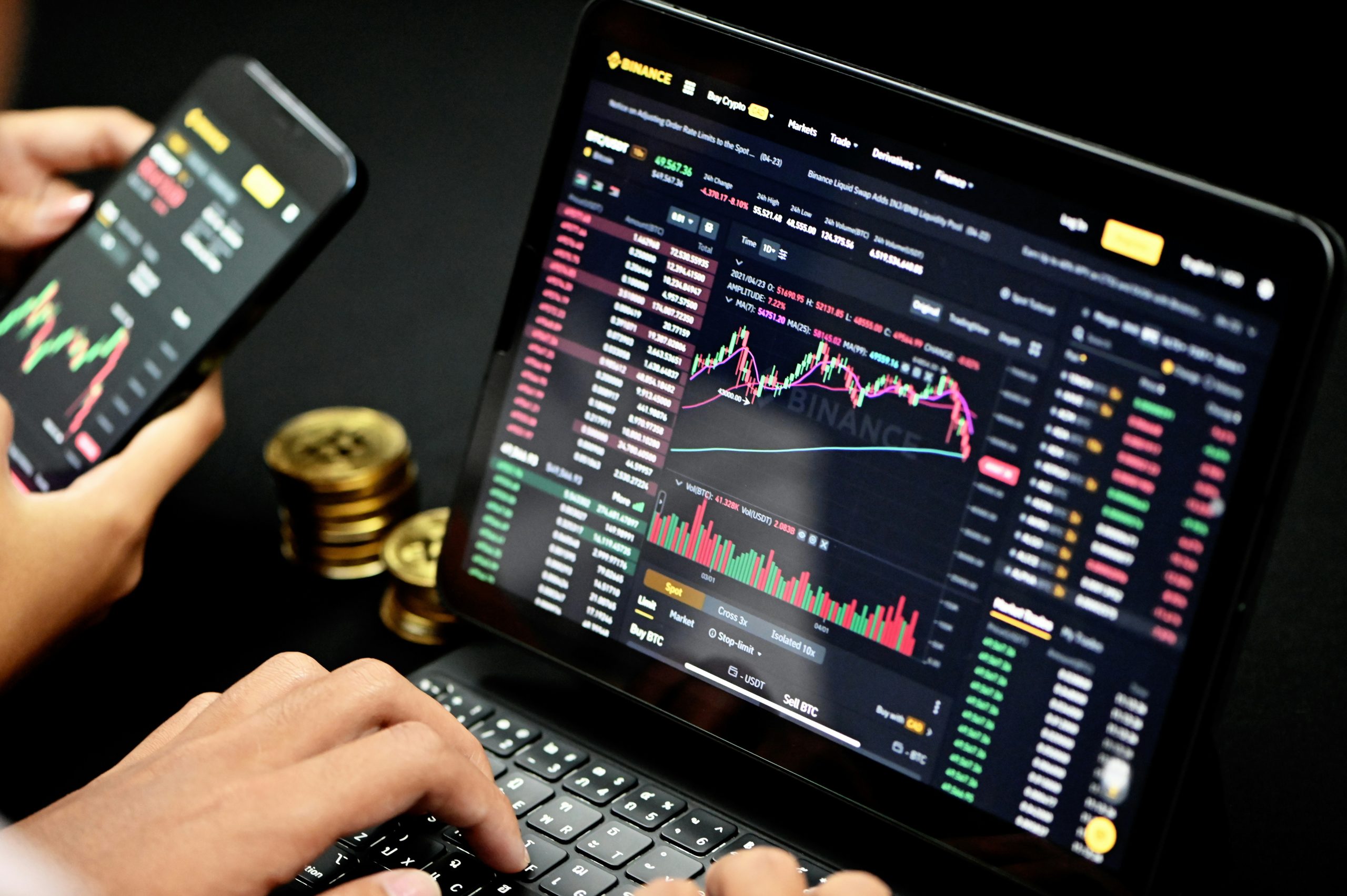
A diversified multi-asset copy trading strategy involves monitoring various uncorrelated markets simultaneously.
Correlating Indices with Precious Metals for Hedging
In a traditional risk-on environment, equity indices like the S&P 500 or the NASDAQ usually climb. However, when geopolitical tension spikes or inflation data surprises the market, these indices often retreat while “safe-haven” assets like Gold (XAU) and Silver (XAG) rally. A high-performance copy trading portfolio doesn’t choose sides; it mirrors masters who specialize in both. By following a master trader focused on US Tech stocks and another focused on Precious Metals, your portfolio gains a natural hedge. When the tech sector bleeds, the gold position often acts as a buoy, preventing the sharp drawdowns that plague single-asset followers.
Navigating the 24/7 Crypto Market Alongside Traditional FX Cycles
One of the most significant advantages of a hybrid broker model is the ability to bridge the gap between “Legacy” and “Digital” finance. Foreign Exchange (FX) markets operate on a 5-day cycle with distinct sessions (London, New York, Tokyo). Crypto, conversely, never sleeps. Integrating crypto into your copy trading strategy ensures that your capital is always seeking alpha, even on weekends when traditional markets are closed. However, the key is balance. Because crypto is inherently more volatile, institutional-grade strategies often use crypto as a “satellite” allocation—perhaps 10-15% of the total equity—while the core remains in more stable FX pairs or Blue Chip ETFs.
Portfolio Weighting: How to Allocate Capital Across Different Masters
You should view your copy trading dashboard as a personal hedge fund. You are the Allocator. A common mistake is splitting capital equally among five different masters. Instead, consider the “Risk-Adjusted Weighting” model:

Effective portfolio weighting requires a risk-adjusted approach to capital allocation across various master traders.
-
Core Allocations (60%): Follow masters with low drawdowns (under 15%) and consistent, albeit lower, monthly returns (2-4%). These usually focus on Major FX pairs like EUR/USD or GBP/USD.
-
Growth Allocations (30%): Follow masters with higher volatility who trade Indices (GER40, US30) or Metals. Expected returns are higher, but so is the variance.
-
Speculative Allocations (10%): Follow crypto-native masters or high-frequency scalpers. This is your “alpha” kicker that can provide outsized gains during trending markets.
Selecting the Best Social Trading Platforms for Institutional Execution
When evaluating platforms for multi-asset use, prioritize those offering deep liquidity and low-latency execution (under 50ms). Look for integrations with high-performance terminals like cTrader, which support ‘Raw’ spreads and provide the precision needed for scalping across diverse instruments like ETFs and Indices. Not all best social trading platforms are created equal; many “retail-first” apps suffer from significant slippage, meaning you enter a trade at a much worse price than the Master Trader you are copying.
The Importance of Millisecond Execution in Multi-Asset Environments
In the world of forex social trading networks, speed is the only bridge between a Master’s profit and a Follower’s profit. If a Master Trader finishes a scalp in 30 seconds for a 5-pip gain, but your platform takes 2 seconds to copy the trade and another 2 seconds to close it, your spread and slippage could eat 80% of that profit. Platforms that utilize the cTrader backend—known for its millisecond execution—ensure that the follower’s results mirror the master’s performance as closely as possible. This is particularly vital when trading high-volatility assets like Crypto or Oil.

In multi-asset trading, millisecond execution speed is crucial for followers to replicate a master’s profits accurately.
Comparing ‘Aggregated’ vs. ‘Direct Market’ Liquidity Models
To understand why some platforms fail under pressure, we must look at where their prices come from. Retail brokers often use a single liquidity provider, which can lead to “requotes” during high volatility (like an NFP release). Institutional-grade brokers use an Aggregated Liquidity model, pulling prices from dozens of Tier-1 banks and ECNs. This ensures that even if you are copying a master trader with a massive following, the market can absorb the collective volume without triggering massive price gaps.
Feature Retail social trading platforms Institutional Hybrid Platforms Execution Speed 200ms – 500ms < 50ms Asset Diversity FX and limited Stocks 1,200+ (FX, Crypto, Metals, ETFs, Indices) Spread Type Fixed or Wide Floating Raw Spreads (from 0.0 pips) Liquidity Source Internal Market Maker Aggregated Tier-1 Banks/ECNs
For more insights on how these technological shifts are changing the landscape, you can explore the Binance AMA replay – Coinstrat Pro, The World’s First Hybrid Broker which discusses the fusion of institutional tech and social features.
Mastering the 6 Allocation Methods for Precise Replication
Advanced multi-asset strategies require more than ‘Equal Ratio’ copying. Use methods like ‘Equity-to-Equity’ or ‘Lot-for-Lot’ to account for differences in account sizes and asset volatility. Proper allocation ensures that a 1-lot trade in FX doesn’t carry the same risk weight as a 1-lot trade in Bitcoin. Without granular control, a follower with a $1,000 account could accidentally blow their margin if they copy a Master Trader with a $100,000 account who opens a “small” position of 1.0 lots.
Proportional vs. Fixed Lot Sizes Explained
The Equity-to-Equity method is generally the safest for multi-asset portfolios. It calculates the ratio between your balance and the Master’s balance. If the Master has $10,000 and risks 1%, and you have $1,000, the system will automatically open a trade that risks 1% of your $1,000. Conversely, Fixed Lot allocation is often used by professional IBs or fund managers who want to maintain absolute control over the exposure, regardless of the Master’s balance fluctuations. This is common when copying high-frequency gold scalpers where every micro-lot counts.
Using the ‘Reverse Copy’ Feature for Contrarian Strategies
One of the most innovative tools in modern multi asset copy trading is the “Reverse Copy.” Statistically, a large percentage of retail traders lose money because they over-leverage or trade emotionally. A Reverse Copy strategy allows you to find traders with a high “Failure Rate” and do the exact opposite. If they buy EUR/USD, you sell. While psychologically difficult for many to grasp, this institutional-grade tactic turns “market noise” into a systematic profit center. It is particularly effective in high-volatility sectors like crypto where retail FOMO often leads to predictable market tops.
“True wealth management isn’t about finding the ‘perfect’ trade; it’s about the mathematical precision of your replication.”
Why Forex Social Trading Networks are Moving Toward ‘Single-Account’ Hubs
The future of social trading lies in ‘Hybrid’ brokers that eliminate the need for multiple accounts. By centralizing FX, Crypto, and Stocks in one ecosystem, traders can manage margin more efficiently and react faster to global economic shifts that affect all asset classes simultaneously. In the past, if you wanted to hedge your Forex losses with a Crypto gain, you had to move funds between two different brokers, waiting days for withdrawals and deposits. This friction kills profitability.
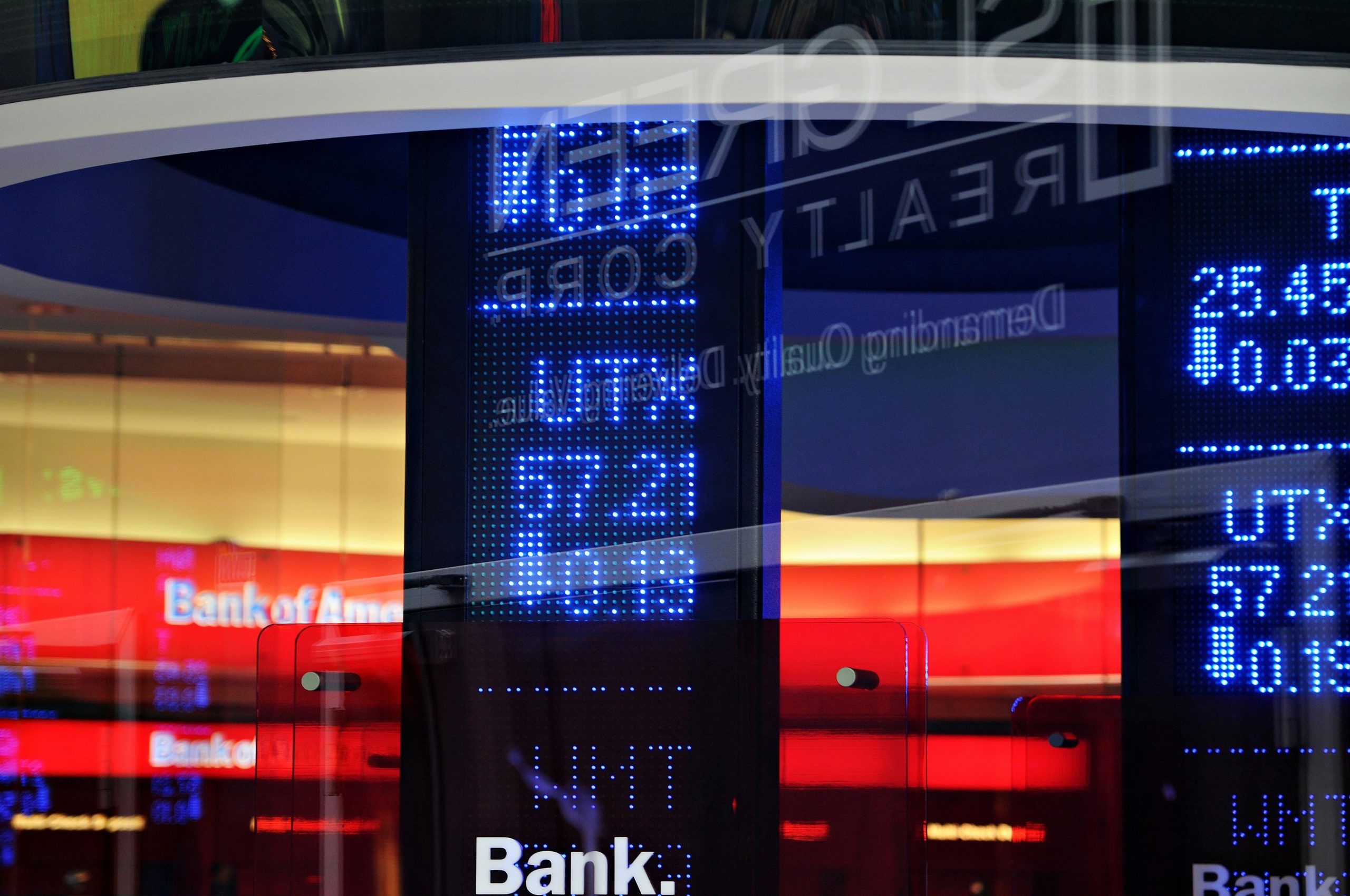
Single-account hubs centralize various asset classes, enabling efficient margin management and faster reactions to market changes.
The End of the Fragmented Brokerage Era
Modern investors demand a “Single-Account Hub.” This architecture allows for Cross-Collateralization. Imagine you have a profitable long-term position in Bitcoin. In a hybrid model, that equity can serve as margin to open a short-term hedge in the USD/JPY pair. This level of capital efficiency was previously reserved for hedge funds. Today, platforms like Coinstrat Pro provide this “Institutional Edge” by allowing users to navigate over 1,200 instruments from a single account. This is the cornerstone of Coinstrat Pro: The Future of Financial Trading with Hybrid Solutions, where the barrier between asset classes is completely removed.
Optimizing Margin Usage Across Different Asset Categories
Margin management is where most copy traders fail. When following multiple masters across different assets, your “Free Margin” can vanish quickly during a market-wide “black swan” event. Single-account hubs allow you to set Equity Risk Limits. For instance, you can program the system to automatically stop all copying if your total account equity drops below a specific threshold. This “Circuit Breaker” is essential when your portfolio includes high-leverage FX (up to 1:500) alongside volatile spot crypto.

Effective margin management and setting equity risk limits are crucial to navigate market volatility in multi-asset copy trading.
Instant Internal Transfers and Multi-Currency Budgeting
A high-performance portfolio needs liquidity. If a Master Trader you follow suddenly identifies a once-in-a-decade opportunity in the ETF market, you need to be able to shift capital from your “Savings” or “Crypto” wallet into your “Trading” account instantly. The best social trading platforms now include internal “Wallets” that support 18+ currencies and instant transfers. This isn’t just a convenience; it is a tactical tool for Dynamic Rebalancing. If your crypto allocation has grown from 10% to 30% due to a bull run, you can instantly move the profits into a stable-interest savings account to lock in gains and reduce overall portfolio risk.
The Role of Master Traders and IBs in the Social Ecosystem
While the focus is often on the investor, the “Supply Side” (Master Traders and IBs) is what drives the quality of forex social trading networks. For a Master Trader, the goal is scaling Assets Under Management (AUM). In traditional models, a trader is limited by their own balance. In a hybrid social model, a skilled trader can manage millions of dollars in follower capital and earn performance fees across six different structures, including Joining Fees, Management Fees, and Profit Sharing.
For Introducing Brokers (IBs), the shift to multi-asset models is equally revolutionary. Traditionally, IBs were capped at 2 or 3 levels of referrals. The new “Unlimited Level” IB structures allow partners to build massive, deep global networks. By offering clients access to everything from CoinStrat’s Premium features to high-leverage gold trading, IBs can diversify their own commission streams, ensuring they earn whether the market is bullish on stocks or bearish on crypto.
Monetization for Every Market Participant
The synergy between IBs and Master Traders creates a virtuous cycle. IBs bring the “Liquidity” (investors), and Master Traders provide the “Alpha” (performance). The platform acts as the trusted validator, ensuring that performance data is transparent, un-tamperable, and updated in real-time. This level of radical transparency is what elevates a standard broker into a true financial ecosystem.
-
For Investors: Passive access to diversified institutional strategies.
-
For Masters: Six ways to monetize skills and scale AUM globally.
-
For IBs: Unlimited-level commissions with instant payouts and custom markups.
Actionable Steps to Build Your Multi-Asset Portfolio Today
-
Audit Your Risk Tolerance: Before following a single Master, decide on your “Max Drawdown” for the entire account. Set your platform’s Equity Risk Limit to this number.
-
Diversify by “Market Logic”: Don’t follow three masters who all trade the same strategy (e.g., trend following on GBP/USD). Select one trend follower, one mean-reversion specialist in Metals, and one quantitative Crypto trader.
-
Start with Proportional Allocation: Use the “Equity-to-Equity” method to ensure your risk per trade matches the Master’s risk, regardless of balance differences.
-
Monitor and Rebalance Monthly: Social trading is not “set and forget.” Review your masters monthly. If a master’s style changes or their drawdown exceeds their historical average, shift that capital to a more consistent performer.
-
Leverage Hybrid Benefits: Use the interest-bearing features of your broker to store “Idling Capital” while you wait for new Master Traders to join the leaderboard.
The era of being a “single-trick pony” in the financial markets is over. By leveraging multi asset copy trading through a high-performance hybrid broker, you gain the ability to diversify, hedge, and scale with the same sophistication as a professional fund manager. The tools are ready; the only question is whether you have the discipline to allocate wisely.
FAQ
Is multi-asset trading more expensive in terms of swap fees?
Swap fees (overnight interest) vary significantly between asset classes. While FX swaps can be positive or negative depending on the interest rate differential, commodities and stocks often carry higher carrying costs. However, institutional-grade platforms often offer “Swap-Free” or “Islamic” account options for certain assets, and the diversification benefits of a multi-asset portfolio usually outweigh the marginal increase in swap costs.
How do I balance a portfolio between high-volatility crypto and low-volatility FX?
The secret lies in “Volatility Adjusting.” You should allocate a smaller percentage of your equity to high-volatility masters. For example, a 1% move in Bitcoin is much more frequent than a 1% move in EUR/USD. By using a 1:5 ratio (e.g., $5,000 for FX masters for every $1,000 for Crypto masters), the “Risk Contribution” of both assets to your total portfolio remains roughly equal.
Can I copy different traders for different asset classes simultaneously?
Yes. In fact, this is the recommended strategy for a high-performance portfolio. Using the leaderboard on best social trading platforms, you can filter masters by their primary instrument. This allows you to build a “Dream Team” where each trader focuses exclusively on their area of expertise, rather than following one “Jack of all trades” who may struggle to adapt to different market mechanics.
What is the impact of cross-asset correlation on social trading portfolios?
Cross-asset correlation refers to how different markets move in relation to one another. During times of extreme market stress, correlations often “tend toward 1,” meaning everything falls at once. However, under normal conditions, assets like Gold and the USD are often inversely correlated. A professional copy trading portfolio uses these correlations to ensure that when one Master is in a drawdown, another is likely in a profit cycle, stabilizing the total equity curve.