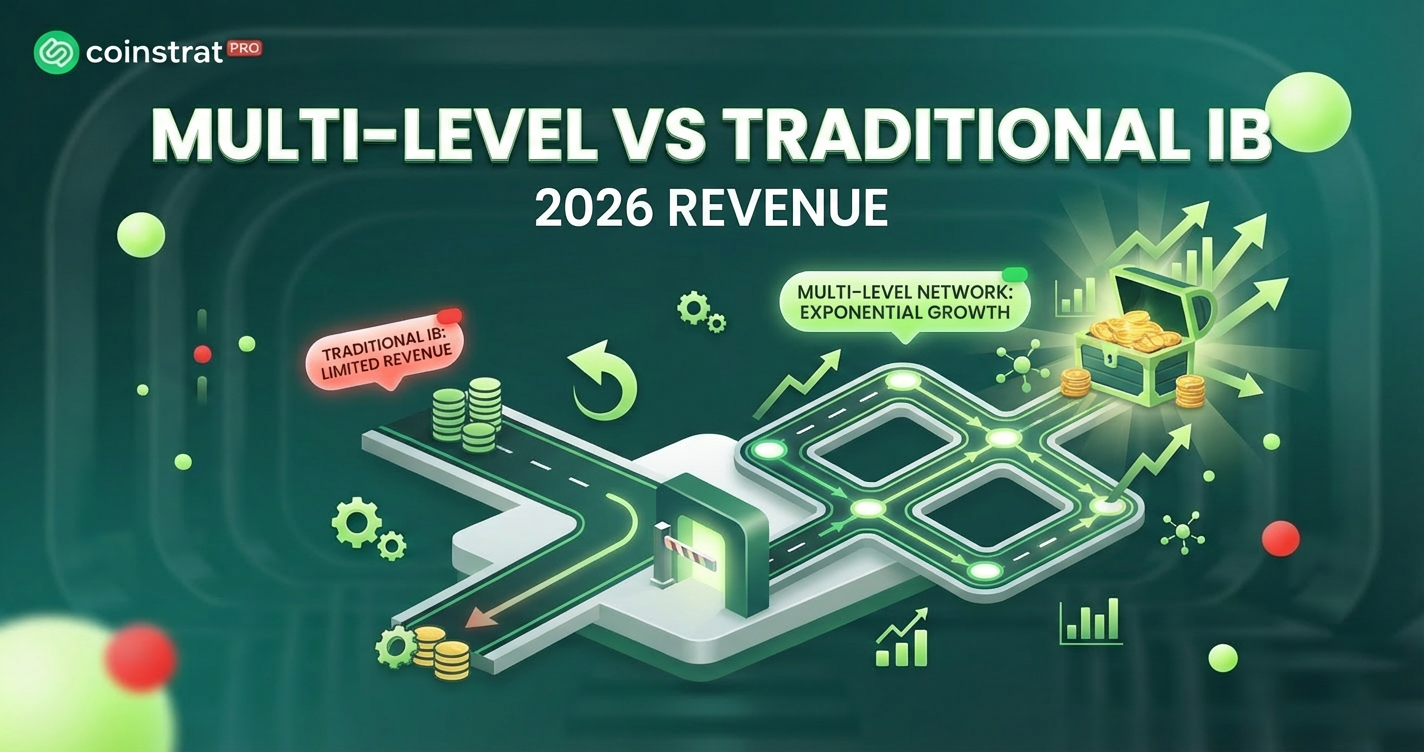
The traditional brokerage referral model is dying, and honestly, it’s about time. For years, the industry relied on a fragile, one-dimensional “Introducing Broker” (IB) structure that looked like this: you bring a client, they trade, you get a small kickback. It was a linear game. If you stopped recruiting, your revenue plateaued. If your referrals wanted to build their own business, they often had to bypass you to get a direct deal with the broker, effectively cutting you out of the value chain you helped create.
As we move through 2026, the shift toward “Hybrid” brokerage models has changed the math. The most successful partners I work with aren’t just looking for a high commission per lot; they are looking for infrastructure. They are building organizations, not just referral lists. This is where the distinction between a traditional IB and a modern multi-level affiliate network becomes the difference between a side hustle and a scalable enterprise.
Traditional IB Models vs. Modern Multi-Level Affiliate Networks
While traditional Introducing Broker models typically offer a flat fee or a single-tier percentage, a modern forex affiliate network utilizes multi-level structures. This allows primary partners to earn from their direct referrals as well as a percentage of the volume generated by sub-affiliates, creating exponential growth and passive revenue streams. The technical term for this is “overrides,” and in a multi-level environment, these overrides apply to an unlimited depth of sub-partners.
Visualize the transition from rigid, single-tier IB models to dynamic, multi-level affiliate networks.
In a traditional model, the incentive for a sub-IB to grow is zero unless they break away. In a multi-level ecosystem, your interests are perfectly aligned. If your sub-affiliate succeeds, you succeed. This creates a compounding effect where your network’s total Assets Under Management (AUM) grows faster than any individual person could achieve alone.
Feature Traditional IB Program Multi-Level Affiliate Network Growth Structure Linear (Direct referrals only) Exponential (Direct + Sub-partner tiers) Revenue Potential Capped by personal network size Unlimited through network depth Partner Retention Low (Sub-IBs leave to get direct deals) High (Sub-IBs benefit from existing structure) Asset Classes Usually Forex-heavy Multi-asset (FX, Crypto, Stocks, ETFs) Transparency Often opaque back-office Real-time dashboard with sub-level tracking
Traditional programs often struggle with “leaky buckets”—you work hard to acquire a high-volume trader, but if they decide to become an IB themselves, you lose the commission on their trades. A multi-level structure solves this by allowing them to transition into a sub-IB role while you maintain a percentage of the spread as a “Master” partner. This is a critical component of Multi-Level IB strategies that prioritize long-term equity over short-term CPA (Cost Per Acquisition).
Core Infrastructure: How to Build a Forex Affiliate Network with Scalability
If you want to know how to build a forex affiliate network that doesn’t collapse under its own weight, you have to look at the plumbing. Most people focus on the marketing, but the infrastructure is what keeps the big players from leaving. To build a scalable forex affiliate network, you must select a broker that provides transparent sub-IB tracking, customizable markup tools, and high-performance trading terminals. Success relies on offering your sub-partners institutional-grade execution and a diverse asset list—ranging from FX to Crypto—to ensure high retention rates across the network.
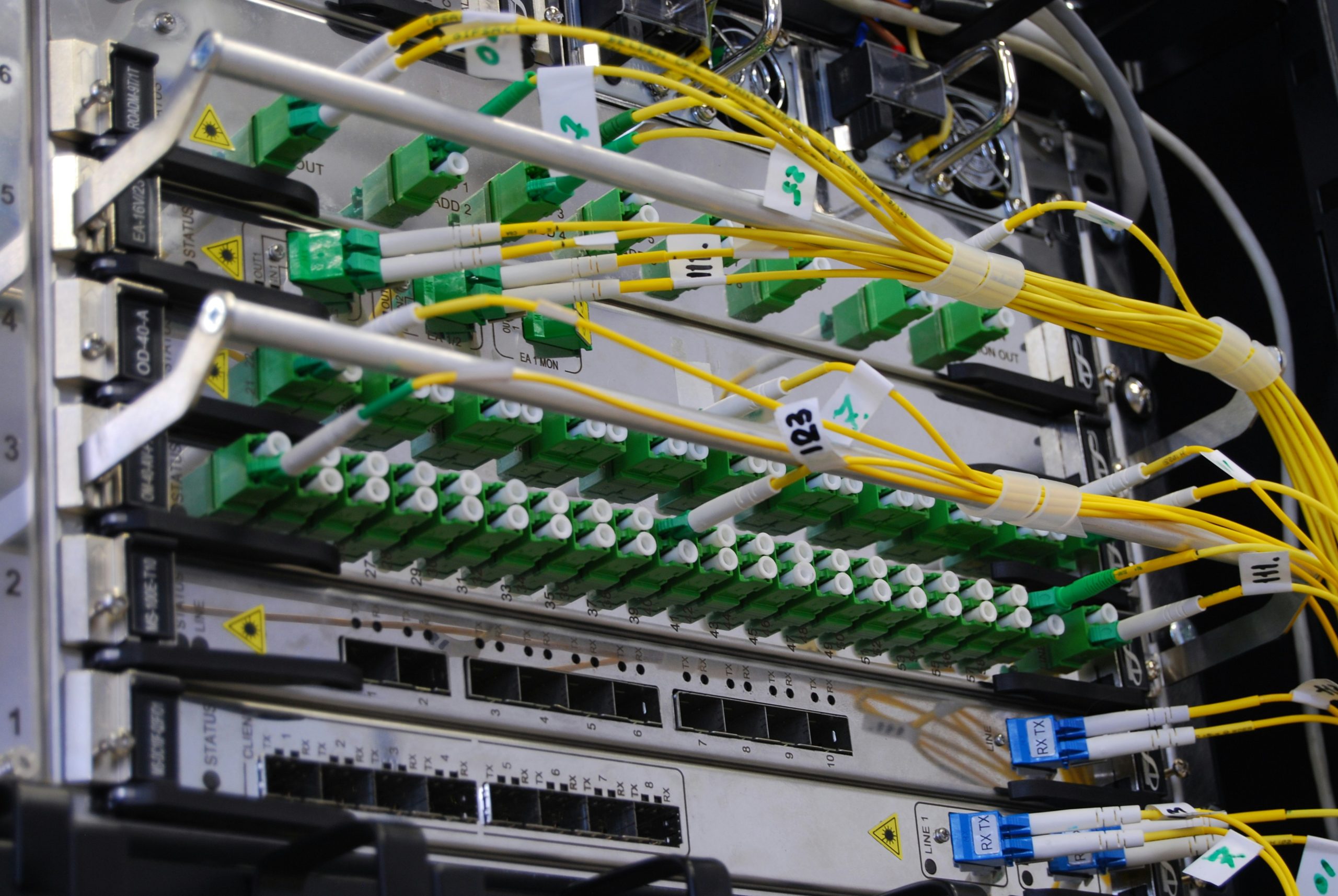
A strong core infrastructure is essential for building a forex affiliate network that can handle growth and complexity.
Scalability specifically requires three pillars:
-
Depth of Liquidity: If your network brings in a whale who trades 100 lots of Gold, and the broker’s execution slips, that whale leaves, and your commission vanishes. You need a partner with Tier-1 liquidity to ensure millisecond execution.
-
Multi-Asset Breadth: In 2026, a Forex-only broker is a dinosaur. Your network needs to be able to pivot. When the DXY is sideways, they should be trading Crypto or Indices. Platforms like Coinstrat Pro offer over 1,200 instruments, which keeps your network active regardless of which sector is trending.
-
Customizable Markups: You need the ability to set different spreads for different tiers of your network. A professional fund manager might need raw spreads with a small commission, while a retail social trading group might prefer a marked-up spread with no upfront fees.
This level of sophistication is why we’ve seen a massive migration toward hybrid brokers. The ability to integrate Forex vs Multi-Asset Environments is no longer optional—it’s the baseline for any network that wants to survive a full market cycle.
Comparing Commission Payout Structures for Network Growth
Cash flow is the oxygen of any affiliate business. If you are waiting 30 days to get paid, you are essentially giving the broker a 0% interest loan while your own marketing campaigns starve. A daily payout forex affiliate program is superior for network building because it provides immediate liquidity for marketing reinvestment. Unlike monthly payout cycles that stall growth, real-time or daily commissions allow affiliates to scale their ad spend and recruitment efforts based on live performance data.

Immediate commission payouts are vital for maintaining cash flow and fueling marketing efforts in affiliate businesses.
Think about the psychology of your sub-IBs. When they see a commission hit their wallet the moment their referral closes a trade, the “proof of concept” is instant. This motivates them to work harder. In contrast, many legacy brokers still use a “monthly reconciliation” process where commissions are audited and delayed, leading to frustration and distrust.
“The speed of wealth is determined by the speed of capital rotation. A daily payout allows a network builder to spend $1,000 on ads today, earn $1,200 in commissions tomorrow, and reinvest that $1,200 immediately. Over 30 days, the compounding difference compared to a monthly payout is astronomical.”
Furthermore, flexibility in payment is vital for master traders who also act as IBs. Are you being paid on volume? On profit sharing? On performance? Hybrid brokers allow for a “6-tier” payment structure, which includes daily volume rebates plus monthly performance fees. This variety allows you to monetize every type of trader in your network, from high-frequency scalpers to long-term “set and forget” investors.
Critical Success Factors for Managing Large Scale Networks
Managing a large forex affiliate network requires a focus on partner enablement through marketing kits, promo codes, and institutional support. By providing sub-IBs with specialized tools like the cTrader terminal and copytrading leaderboards, you reduce churn and maximize the lifetime value of every trader brought into the ecosystem. You aren’t just a recruiter; you are a service provider for your sub-affiliates.

Providing partners with comprehensive tools and support is key to successfully managing and growing large affiliate networks.
One of the most effective “hooks” for recruitment in 2026 is the social element. Using copytrade leaderboards allows you to show potential sub-partners exactly who is winning. It shifts the conversation from “We have low spreads” to “We have a strategy that made 15% last month, and you can offer your clients the ability to copy it automatically.” This is where the debate between PAMM vs. MAM vs. Social Trading becomes relevant; social trading is generally the most effective conversion tool for large affiliate networks because it lowers the barrier to entry for retail investors.
The Power of “Unlimited Level” Structures
Most brokers cap their IB programs at 3 or 5 levels. This is a massive mistake for high-level builders. Why should you stop earning if your Level 5 partner finds a massive Level 6 partner? An “Unlimited Level” structure ensures that your business possesses true equity. If your network grows to 100 levels deep, you still maintain a footprint in that volume. This is the only way to build a truly passive “exit-style” income in the brokerage space.
To stay competitive, you should also leverage institutional-grade technology. If your broker doesn’t offer a mobile-responsive dashboard where sub-IBs can generate their own promo codes and track their own leads, you will lose them to a more tech-forward competitor. High-performance terminals like cTrader, integrated with deep liquidity, provide the “stickiness” that prevents traders from jumping ship to the next “zero spread” offer they see on Instagram.
Actionable Steps for Network Builders
-
Audit your current payout speed: If it’s not daily or instant, you are losing growth potential.
-
Evaluate the asset list: Can your traders hedge Forex with Crypto or Gold from a single wallet? If not, their retention will drop during low-volatility FX periods.
-
Verify the Multi-Level Depth: Ensure your contract doesn’t cap your earnings at a specific tier.
-
Utilize Social Proof: Use master trader leaderboards as your primary lead magnet to simplify the “sales” process for your sub-IBs.
The transition from a solo IB to a network master is a shift in mindset. It’s about moving from “selling trades” to “selling an ecosystem.” By aligning yourself with a hybrid broker that offers unlimited-level commissions and institutional-grade infrastructure, you move from the grind of recruitment to the stability of network management.
FAQ
What is the difference between a master affiliate and a sub-IB?
A master affiliate is the primary partner who holds the direct relationship with the broker and oversees the entire network. A sub-IB is a partner recruited by the master affiliate. In a multi-level structure, the master affiliate earns an “override” commission on all volume generated by the sub-IB and their subsequent referrals, whereas the sub-IB earns their primary commission on their direct clients.
Can I migrate an existing affiliate network to a new broker?
Yes, though it requires a strategic approach. High-tier hybrid brokers often provide migration assistance, including specialized landing pages and promo codes to help transition your active traders. The key is to offer the network a tangible upgrade, such as faster execution via cTrader or access to a more diverse range of assets (like 1,200+ instruments), to incentivize the move.
How do multi-level commission structures affect trader spreads?
In a well-designed hybrid model, multi-level commissions do not necessarily lead to wider spreads for the end trader. Instead, the commissions are often paid out of the broker’s own margin or a transparent, pre-defined markup. By using a “Raw Spread” environment, partners can choose to add a tiny, fixed commission that remains competitive with industry standards while still funding the multi-level payout structure.