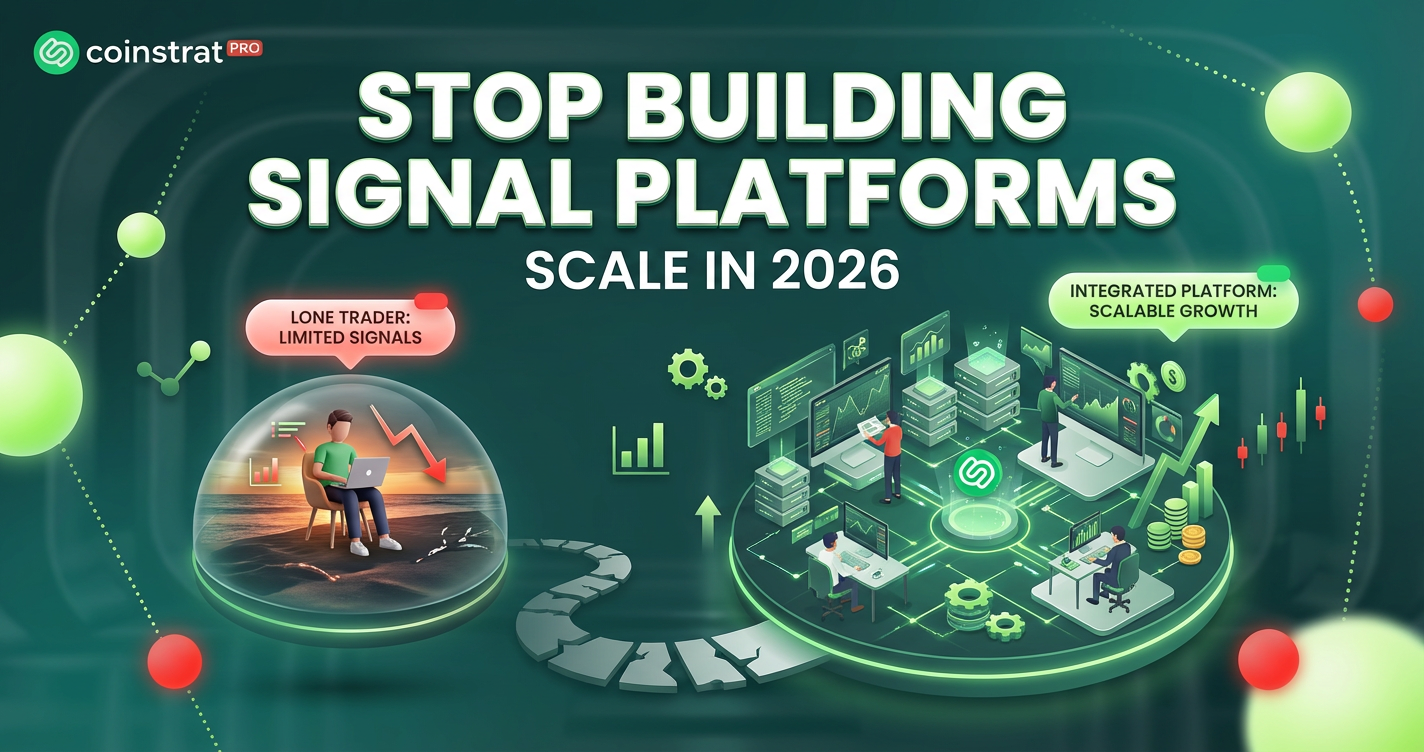
The Myth of the Lone Wolf: Why Selling Trading Signals on Third-Party Platforms Fails
There is a persistent romanticism in the trading world about the “Lone Wolf”—the brilliant quant or price-action specialist who operates from a secluded beach, sending out “Buy” and “Sell” alerts to a growing legion of hungry followers. The reality for most who try to sell trading signals through independent platforms or chat apps is far grimmer. Selling trading signals through third-party platforms often fails due to high slippage, delayed execution, and a lack of integrated payment security. A hybrid broker model solves this by hosting the performance and the copy-mechanism on the same institutional-grade server, ensuring followers get the exact price the master trader executes.
The primary antagonist in the signal provider’s story is latency. When you post a signal on a third-party site or a Telegram channel, there is a multi-step journey before that trade is executed by your follower. You execute; you type or the API scrapes; the message travels; the follower sees it; they manually enter or their third-party copier triggers; their broker receives the order. In volatile markets, those 5–10 seconds can mean the difference between a 2-pip spread and a 10-pip slippage. When your followers see different results than your “Master” account, trust evaporates. Trust is the only currency that matters in this business.
Furthermore, manual copy-trading is a massive barrier to professional scaling. If your “product” requires your customers to be glued to their phones to catch your signals, you have built a job, not a scalable financial business. Professional scaling requires an environment where the execution is “silent” and “frictionless.” Without a unified bridge between your terminal and the follower’s account, you’re essentially playing a game of broken telephone with people’s life savings.
Professional Benchmarks: How to Make Money as a Forex Signal Provider Without a Massive Following
The industry is shifting. The old model of charging $50 a month for a Telegram subscription is dying. High-net-worth (HNW) investors don’t want to manage their own trades; they want professional alpha with zero operational overhead. You can make money as a forex signal provider by leveraging performance fees and volume-based rebates rather than just high subscriber counts. By using a platform that offers multi-asset trading, you can capture alpha in diverse market conditions, making your ‘Strategy’ more attractive to high-net-worth investors looking for diversified risk.

The reality of selling trading signals often involves frustration and stress, far from the romanticized ‘lone wolf’ image.
To transition from a retail trader to a legitimate Strategy Manager, you need to understand the three pillars of institutional monetization:
-
Performance Fees (The High-Water Mark): Instead of a flat subscription, you take a percentage of the net profits. This aligns your interests with the investors and allows you to earn significantly more during “hot” market cycles.
-
Management Fees (AUM Based): A small percentage (e.g., 1-2% annually) charged for the privilege of following your strategy. This provides a steady baseline of income regardless of monthly performance.
-
Volume-Based Rebates: In a hybrid broker model, you can often earn a share of the spread or commissions generated by the total volume of your followers. If you have 100 followers trading 10 lots each, the rebate income can often eclipse your own trading profits.
Consider the following comparison of monetization models for a trader managing $500,000 in collective follower equity:
Monetization StrategyStructurePotential Monthly RevenueScalabilityFlat Subscription$100/mo per user$5,000 (at 50 users)Low (Linear)Performance Only20% of Profits$10,000 (at 10% monthly gain)High (Exponential)Hybrid (Fee + Volume)Profit % + Rebates$13,500+Very High (Compounded)
By moving away from “signal selling” and toward “asset management,” you change the caliber of the people who follow you. You stop dealing with retail “lottery ticket” seekers and start attracting capital that understands risk-adjusted returns.
Infrastructure Matters: Why Most Platforms Limit Your Earning Potential
If you are serious about scaling, you will eventually hit the “Broker Ceiling.” Legacy brokers often cap the number of followers or the total Assets Under Management (AUM) a single trader can manage. To truly scale, you need a hybrid environment that supports ‘Unlimited Levels’ of growth and provides various fee types—including Joining and Management fees—that reward you for the total value you bring to the ecosystem. Integrating with a high-performance terminal like the Trading Platform – Coinstrat Pro ensures that your infrastructure can handle the load as you grow from ten followers to ten thousand.

Professional financial discussions and strategic planning are key to attracting high-net-worth investors for forex signals.
The technical bottleneck of legacy MT4 social trading is well-documented. MT4 was never designed for high-frequency, mass-copy execution. It frequently suffers from “order queues” during high-impact news events like the NFP. Modern platforms like cTrader, integrated within a hybrid broker model, utilize a “cloud-based” copying mechanism. This means your trade is replicated across all follower accounts simultaneously at the server level, rather than sequentially. This is the difference between a professional service and a hobbyist’s signal group.
Moreover, the hybrid model bridges the gap between FX and Crypto markets. Most signal providers are forced to choose one. In a hybrid environment, you can offer a “Global Macro” strategy that trades GBP/USD during the London session and switches to Bitcoin or Ethereum volatility during the weekend. This 24/7 earning potential is impossible on traditional, FX-only platforms.
“The most successful traders I know aren’t just good at reading charts; they are masters of their own distribution. They choose platforms that don’t tax their growth or limit their reach.”
Building Longevity: Managing 1,200+ Assets to Weather Market Cycles
Market volatility requires signal providers to be agile. A multi-asset approach involving ETFs, Stocks, and Energies allows providers to remain profitable when Forex markets are sideways. This diversity is the key to maintaining a top-tier position on global leaderboards and securing long-term performance fees. If your entire strategy relies on the EUR/USD move, you will eventually face a “dead” month where your income dries up and your followers churn.
To maintain longevity, a professional signal provider should look for a “Prime Liquidity” environment. This ensures that even when you are trading obscure assets—like a specific ETF or a mid-cap stock—the execution remains razor-sharp. Relying on a system with institutional-grade risk controls prevents the “flash crash” scenarios that often wipe out independent signal providers on low-tier brokers.
Managing over 1,200 assets isn’t about trading everything at once; it’s about having the optionality. When the US Dollar is stagnant, perhaps Oil is trending due to geopolitical shifts, or perhaps Tech Stocks are rallying on earnings. A multi-asset broker allows you to pivot your signals to where the alpha actually is, rather than trying to squeeze blood from a stone in a quiet currency pair.
The Affiliate Multiplier: Scaling Without Trading
For many professionals, the real “Golden Goose” isn’t just the performance fee—it’s the ability to build a network. This is where the concept of an “Unlimited Level” IB program becomes vital. If you are a master trader, your most loyal followers will naturally want to refer others. In a traditional model, you might get a one-time referral fee. In a hybrid, multi-level model, you can earn commissions from your direct referrals AND their referrals.
This creates a compounding effect on your AUM. You aren’t just selling trading signals; you are building a financial ecosystem. This structure is particularly powerful for those moving from PAMM or MAM models toward social trading, as it simplifies the legal and technical hurdles while maximizing the payout depth.
Strategic Integration: How to Choose a Platform
When selecting your home as a provider, ask these tactical questions:
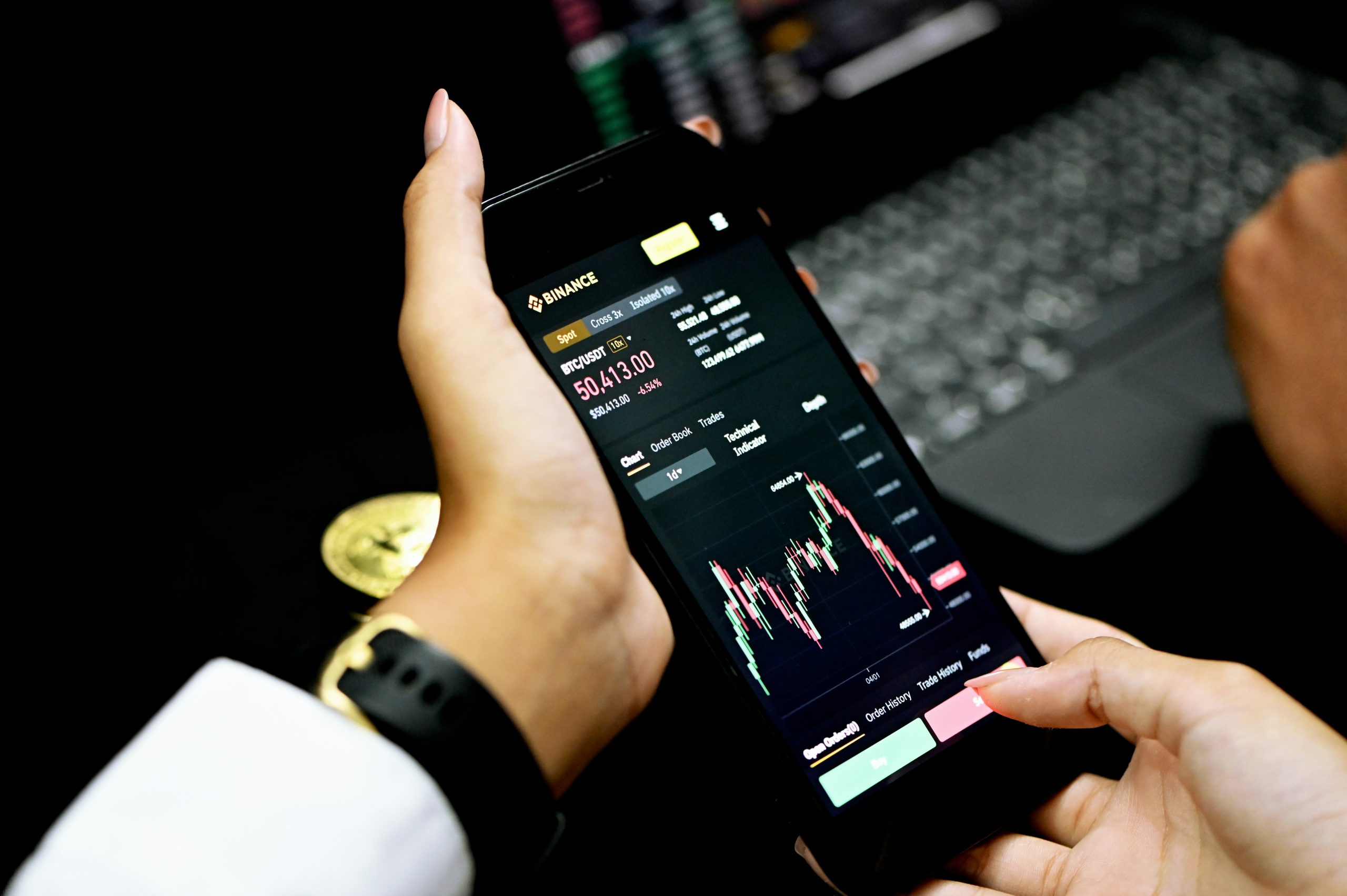
Diversifying across multiple asset classes like stocks and commodities helps signal providers weather market cycles and ensure long-term profitability.
-
Does the platform offer instant payouts? Waiting 30 days for your performance fees is a cash-flow killer for a growing business.
-
Can I customize my fee structure? You should be able to charge specialized fees (Joining, Management, Performance) based on your track record.
-
Is there a global leaderboard? An organic discovery mechanism is worth millions in marketing spend. You want new investors to find you without you having to “sell” on social media.
Professional traders are increasingly moving away from the “Lone Wolf” mentality and toward integrated ecosystems like Coinstrat Pro. By leveraging institutional-grade liquidity and unlimited-level IB structures, they can focus on what they do best: finding alpha. The infrastructure handles the rest—the execution, the fee collection, and the scaling.
Ultimately, your success as a signal provider is a product of your Edge multiplied by your Infrastructure. If your infrastructure is a manual Telegram group or a legacy MT4 broker, your multiplier is a fraction. If your infrastructure is a hybrid, multi-asset hub, your multiplier is an exponent.
Actionable Takeaways for Master Traders
-
Identify a broker that offers a wide range of assets (Forex, Crypto, Stocks) to keep your strategy relevant year-round.
-
Prioritize platforms that use cTrader or similar engines to minimize the “slippage gap” between you and your followers.
-
Review your monetization: Move toward a hybrid model of performance fees plus volume-based IB commissions.
-
Stop trying to build your own tech stack; focus on building a 24-month track record on a platform that does the heavy lifting for you.
FAQ
Why do most signal providers fail to scale past $100k AUM?
Most providers hit a “liquidity ceiling” or a technical bottleneck. In legacy systems, as AUM grows, the slippage on follower accounts increases, leading to poor relative performance. Additionally, without a structured multi-level IB program, providers struggle to attract the high-level partners needed to bring in large-scale capital.
Is it better to sell signals via Telegram or a broker platform?
While Telegram is easy to start, it is nearly impossible to scale professionally. It relies on manual execution by followers, leading to massive slippage and missed trades. A broker-integrated platform executes trades automatically at the server level, ensuring high performance, automated fee collection, and institutional credibility.
How does the ‘Hybrid’ model solve liquidity issues for large copy-orders?
The hybrid model connects the copy-trading engine directly to Tier-1 liquidity providers. Instead of processing trades one-by-one, the system can aggregate the total volume of all followers and execute it as a single block or split it across deep liquidity pools in milliseconds, ensuring even massive copy-orders get fills close to the Master’s price.