Why Geopolitical Hedges Often Fail Retail Investors
Geopolitical hedging fails when traders ignore the ‘gap fill’ phenomenon or fail to account for PPI/CPI data surprises. While oil and gold often spike during conflict, the high volatility means typical ‘buy and hold’ strategies result in liquidated accounts during the inevitable 5-10% corrective pullbacks. In the current landscape of March 2026, the market is no longer reacting solely to bombs or blockades; it is reacting to the liquidity of information. When a headline drops regarding the geopolitical impact on oil prices March 2026, the price often moves before the retail trader can even unlock their phone.

The fundamental mistake most retail participants make is assuming that a “bad” news event for the world is a “good” trade for their long position. This is the “Safe Haven Trap.” During the escalations seen in early 2026, we observed gold and Brent crude spike on Friday evenings, only to gap down on Sunday open as “backchannel diplomacy” rumors surfaced. For those practicing passive indexing or holding unhedged long positions, these gaps bypass stop-loss orders, leading to slippage that can wipe out months of gains in minutes.
The Myth of the ‘Permanent’ Oil Spike
History shows that geopolitical risk premiums are often transient. According to research on extreme events and energy price risk (ScienceDirect, 2021), while human-led extreme events (like conflict) significantly increase oil price risk, the market eventually prices in the “new normal.” Traders who bought at the peak of the March 2026 tensions often found themselves holding “expensive” oil as supply chains rerouted. The “spike” is often a transfer of wealth from late-entering retail traders to institutional desks that were already positioned for the volatility.
Why PPI Surprises Outweigh Headline News
While the news focuses on the Strait of Hormuz, professional traders are looking at the Producer Price Index (PPI). If energy costs rise, but PPI remains cool because of a slowdown in manufacturing, the “demand destruction” narrative takes over. In March 2026, we’ve seen several instances where oil dropped despite conflict headlines because the underlying economic data suggested that high prices were killing consumption. If you aren’t monitoring the interplay between geopolitical noise and hard macro data, you aren’t trading—you’re gambling.
The Danger of High Leverage in Volatile Markets
Leverage is a double-edged sword that turns a 2% market fluctuation into a 40% account swing. In a geopolitical environment, “noise” (random price movement) increases. A common mistake is overtrading or using 1:500 leverage during a weekend when the risk of a “black swan” event is highest. When the market moves against a highly leveraged position due to an unexpected peace talk or an accidental escalation, the broker’s automated liquidation engine doesn’t care about your “long-term thesis.”
The Strait of Hormuz and the $119 Oil Threat
The potential closure of the Strait of Hormuz by Iran is the primary driver behind fears of oil hitting $119.50. As a chokepoint for global flows—responsible for approximately 20% of the world’s total petroleum consumption—any disruption here bypasses traditional supply-demand economics, creating a ‘headline-driven’ market where technical levels often fail to contain price action. In March 2026, this threat has transitioned from a “low probability, high impact” scenario to a “medium probability” catalyst that dominates every trading session.
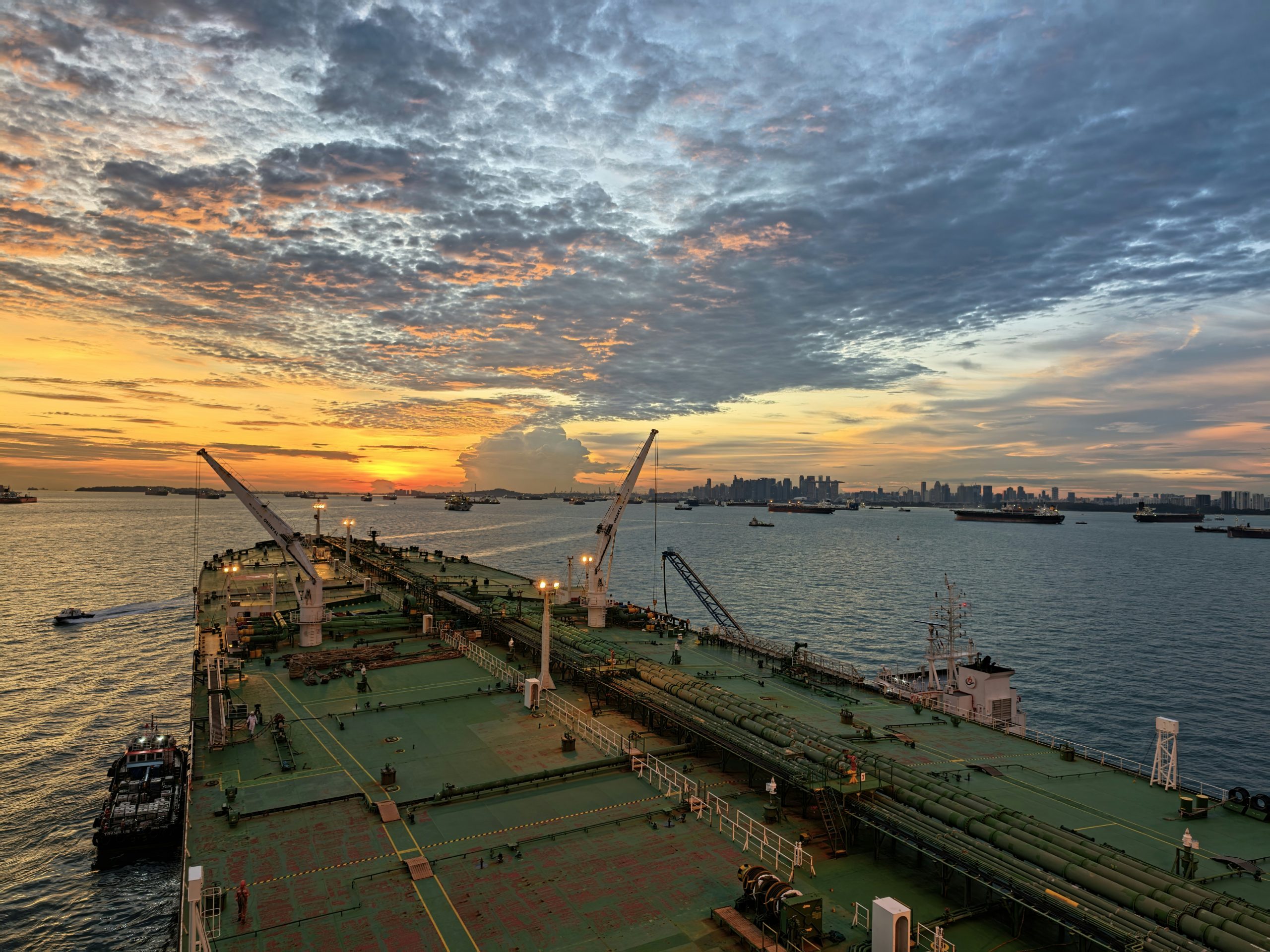
To understand the gravity, one must look at the infrastructure. Unlike a pipeline that can be bypassed, the Strait is a geographic bottleneck. If tankers cannot move, the oil effectively does not exist for the global market, regardless of how much crude is sitting in storage tanks in Saudi Arabia or the UAE. This “physical freeze” creates a vertical price move that technical indicators like the RSI or MACD cannot predict.
| Scenario | Estimated Price Impact (Brent) | Likely Asset Reaction | Traded Narrative |
|---|---|---|---|
| Verbal Threats Only | +$3 – $5 | Gold Appreciates, USD Neutral | “Risk-On Geopolitics” |
| Limited Naval Skirmish | +$10 – $15 | USD Spikes, Equities Drop 3% | “Supply Chain Disruption” |
| Full Strait Blockade | $120+ Range | Global Crash, Hyper-Inflation fears | “Systemic Energy Crisis” |
US-Iran Conflict: Analyzing the March 2026 Escalation
The escalation in March 2026 is unique because it coincides with shifting global alliances. Unlike previous decades, the 2026 environment features a more multipolar world where sanctions have less “bite.” When the U.S. and Iran engage in kinetic or cyber-electronic warfare, the immediate reaction in the oil market is a “fear premium.” However, savvy traders look at the term structure of oil futures. If the front-month contract is soaring but the 6-month out contract is stable, the market is telling you that this is a temporary shock, not a structural shift.
OPEC+ Output Adjustments vs. Geopolitical Shocks
OPEC+ serves as the “central bank of oil,” but their ability to calm markets is limited during active conflict. If the Strait of Hormuz is under threat, even if Saudi Arabia promises to increase production, they cannot physically get that oil to the West if the shipping lanes are contested. This is why “negotiating table rumors” cause instant 6% price dips; the market is desperate for a reason to sell the “war froth” and return to fundamental pricing. For Master Traders, these 6% reversals are where the real performance fees are earned—not in the initial climb, but in the tactical shorting of the exhaustion peak.
Mastering the Haven First Strategy Without Losing Capital
Successful traders in 2026 are adopting a ‘haven first, ask questions later’ approach but protecting it with tight stops at pivotal supports like $5,238 for gold. Avoiding the trap requires recognizing when a move is ‘symbolic’ versus a fundamental shift in energy infrastructure. A ‘symbolic’ move is a reaction to a tweet or a televised speech; a ‘structural’ move is a satellite image showing a burning refinery or a redirected tanker fleet. Distinguishing between the two is the difference between a pro and an amateur.
One of the best ways to navigate this is through a hybrid brokerage model. High-performance trading terminals like the ones offered by Coinstrat Pro allow users to access over 1,200 instruments, including FX, Metals, and Energy, from a single margin account. This is critical because when oil spikes, you may need to hedge by shorting the AUD/USD or buying USD/JPY. Having military-grade execution speed (under 100ms) prevents you from getting filled at the “top” of a panic buy.
Identifying ‘Symbolic’ vs. ‘Structural’ Market Attacks
When an “attack” occurs, the first question should be: Has the flow of atoms stopped? If a missile hits an empty field or a non-essential building, the market move is symbolic. These are often the best times to fade the move (trade in the opposite direction). Conversely, if infrastructure is damaged—such as the refining capacity losses of 1.5 million barrels per day estimated in high-impact hurricane or conflict events (EIA, 2026)—then the move is structural and will have legs that last weeks. Many traders suffer from a fear mindset, causing them to freeze when they should be executing based on this atom-vs-symbol distinction.
The Role of US Treasuries and USD in the Commodity Equation
In 2026, the US Dollar is no longer just a currency; it is a commodity in its own right during times of war. This creates a “Dollar Smile” effect. When geopolitics turn sour, the USD rises because of its safe-haven status. Since oil is priced in dollars, a rising USD actually makes oil more expensive for the rest of the world, further crushing demand. This creates a feedback loop that eventually breaks the oil rally. If you are looking for the best-broker-for-gold-and-oil-trading, you need a platform that provides deep Tier-1 liquidity so that your spreads remain tight even when the USD is swinging wildly.
Why AUD/USD Remains Resilient During Energy Crises
Interestingly, the Australian Dollar (AUD) often acts as a proxy for global growth and energy demand. In some March 2026 scenarios, the AUD has remained resilient because even though oil prices are high, Australia’s own LNG and coal exports become more valuable to a world cut off from Middle Eastern supply. This “relative value” trading is far more effective than simply “buying the news.”
“The amateur trader sees a headline and hits ‘Buy.’ The professional trader sees a headline, checks the liquidity depth, monitors the currency correlation, and places a limit order at the first retracement level.”
The Critical Role of Social Copytrading in Volatile Cycles
For the retail investor who doesn’t have 14 hours a day to watch the Strait of Hormuz, the “Passive Investing” of 2026 has evolved into Social Copytrading. Standard passive indexing (buying an ETF and waiting) is failing because ETFs are often too slow to rebalance. Social copytrading allows a retail investor to mirror the exact moves of a Master Trader who specializes in energy.
Platforms like Coinstrat Pro have revolutionized this by offering six distinct allocation methods. This means an investor can copy a pro’s strategy without necessarily copying their risk level. For example, if a Master Trader is aggressively long on oil during the March 2026 crisis, a follower can set a “Risk Limit” to automatically stop copying if the account equity drops by a certain percentage. This granular control solves the primary issue of emotional trading, where a retail participant might hold a losing trade too long out of hope or exit a winner too early out of fear.
Monetization for the Modern Master Trader
For skilled traders, the 2026 volatility is a massive opportunity to scale Assets Under Management (AUM). Instead of managing only their own capital, they can monetize their geopolitical insights through flexible fee structures, including performance and management fees. This creates a “win-win” ecosystem: the investor gets access to professional alpha, and the trader gets rewarded for their precision. This is particularly lucrative for Introducing Brokers (IBs) who can build unlimited-level networks, earning instant commissions on every trade executed by their referrals during these high-volume market events.
Actionable Strategy for the Rest of March 2026
- Monitor the ‘Basis’: Watch the difference between spot oil and futures. If spot is significantly higher, supply is tight—stay long. If the gap narrows, the geopolitical “fear” is subsiding.
- Verify the Source: In the age of AI and deepfakes, verify “conflict videos” on Twitter/X before trading. Wait for confirmation from institutional feeds like Bloomberg or Reuters.
- Use ‘Reverse Copy’ if Needed: If you identify a trader who consistently buys the “top” of headline rallies, modern platforms allow you to reverse their trades, effectively betting against their poor timing.
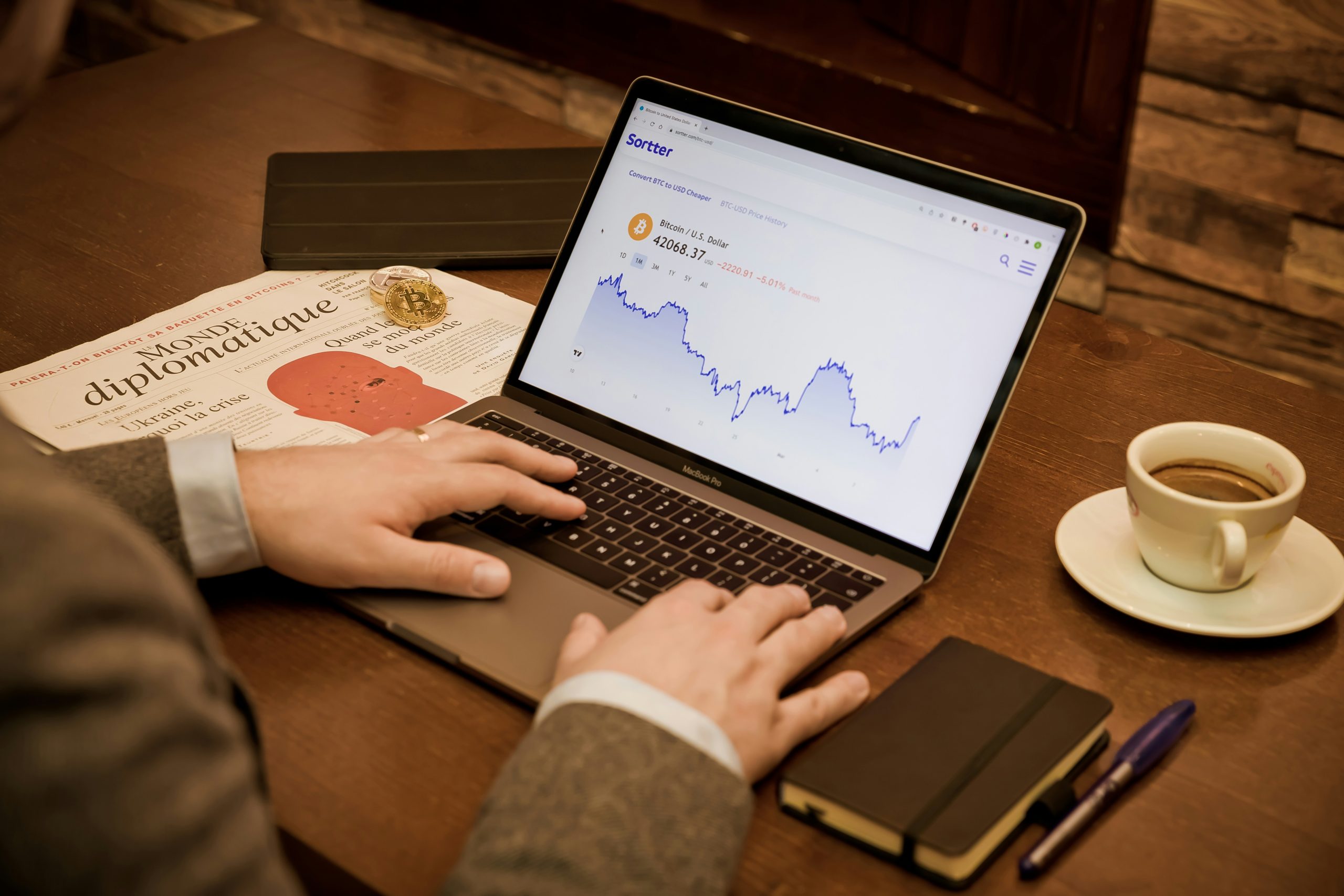
- Diversify into ‘Digital Gold’: While physical gold is the classic hedge, 2026 has shown that Bitcoin and other tokenized assets are increasingly used as “escape flight” capital when regional banking systems are threatened by conflict.
The geopolitical impact on oil prices March 2026 is not a single event, but a series of waves. To survive and thrive, traders must move away from the “set it and forget it” mentality of 2010-era passive investing and embrace the hybrid tools of the modern brokerage era. Whether you are executing millisecond trades on cTrader or managing a multi-million dollar IB network, the key is flexibility, speed, and institutional-grade risk management.
FAQ
Does a US-Iran conflict always lead to higher oil prices?
Not necessarily. While the initial reaction is almost always a price spike due to fear and the “risk premium,” the long-term impact depends on demand destruction. If high prices cause a global recession, oil prices can actually end up lower than they were before the conflict began. Additionally, if other nations (like the US or Saudi Arabia) release strategic reserves, the price increase can be neutralized within days.
How quickly can oil prices drop if negotiations resume?
Oil prices can “crash up” or drop incredibly fast—often losing 5-10% in a single trading session. This happens because the “war premium” is based on the probability of supply disruption. As soon as that probability drops to zero due to a diplomatic breakthrough, all the “speculative longs” rush for the exit simultaneously, creating a liquidity vacuum.
Why did the Nikkei 225 drop while oil rose?
Japan is a major energy importer. When oil prices rise, it increases the input costs for Japanese manufacturers and reduces consumer spending power. Furthermore, in times of geopolitical strife, the Japanese Yen often strengthens as a safe haven, which hurts the earnings of Japan’s massive export sector. This combination of higher costs and a stronger Yen is a “double whammy” for the Nikkei.
What role does the Strait of Hormuz play in global CPI?
The Strait of Hormuz is a leading indicator for global inflation (CPI). Because energy is a primary input for almost all goods (from the gas used in delivery trucks to the petroleum used in plastics), a sustained blockage in the Strait leads to a “cost-push” inflation cycle. Central banks often respond to this by raising interest rates, which can further complicate the trading environment by strengthening the currency of the affected region.