The affiliate marketing landscape in the financial sector has undergone a massive shift. Ten years ago, simply getting a link in front of a potential trader was enough to secure a decent Cost Per Acquisition (CPA) payout. Today, the market is saturated, client acquisition costs have skyrocketed, and the “one-and-done” model of traditional referrals is leaving thousands of dollars on the table for those who build networks. If you are still operating within a standard 3-tier affiliate structure, you aren’t just missing out on growth—you are actively losing the compounding value of your own network.
Fixed CPA vs. Multi-Tier Revenue Share: The Wealth Gap
When choosing between best forex ib programs, the first fork in the road is usually the “CPA vs. Rebate” debate. CPA (Cost Per Acquisition) offers a one-time payment per referred client, whereas multi-tier revenue share provides lifetime commissions across multiple levels of a network. While CPA offers immediate cash flow, multi-tier structures provide exponential passive income as your sub-affiliates grow their own books of business.
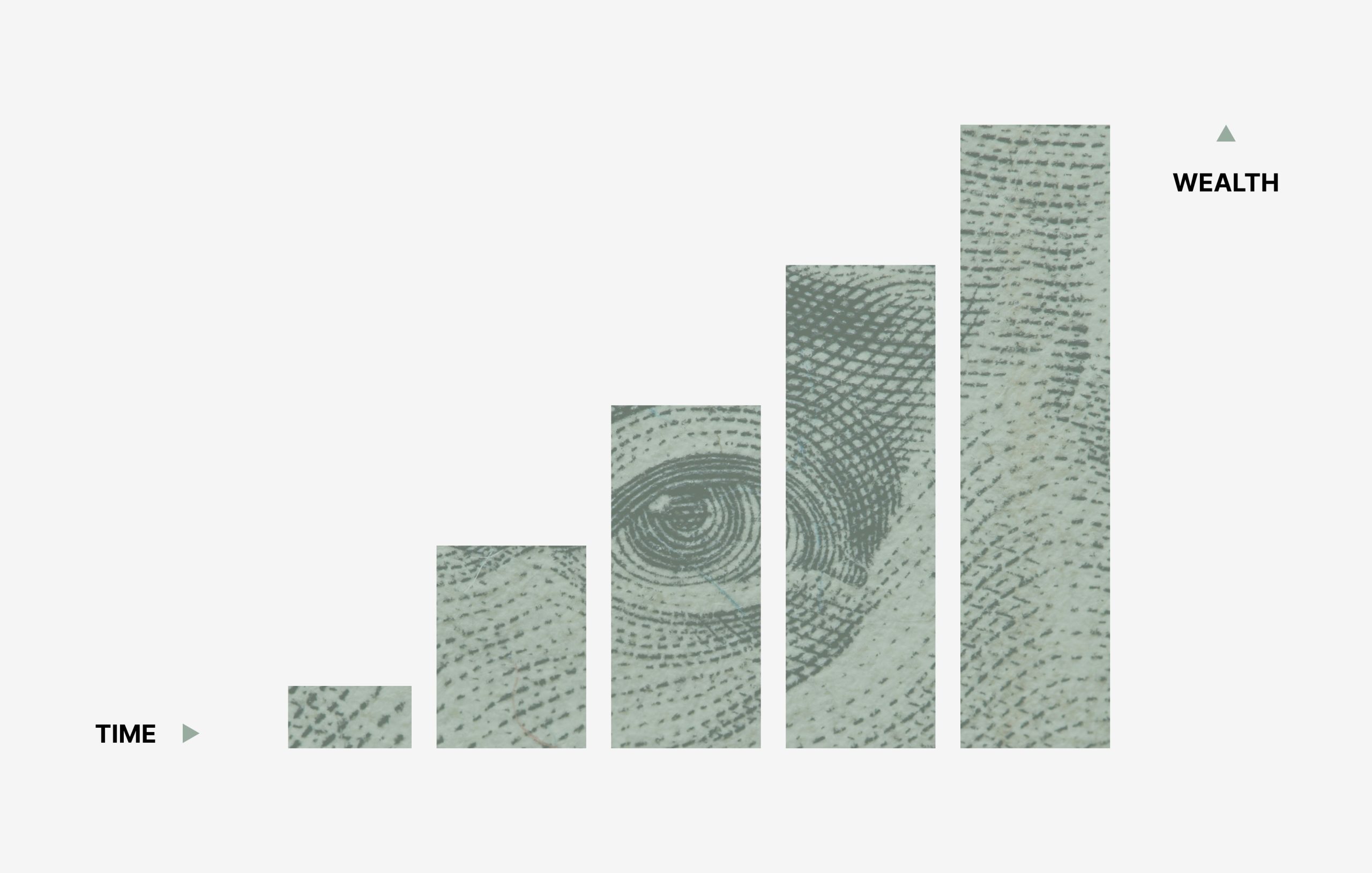
The limitation of the “One-and-Done” CPA model is its lack of scalability. Once you stop active marketing, your income stops. It’s a treadmill. Conversely, a revenue-share model—especially one integrated into a Multi-Level IB program—treats your referrals as long-term assets. In a multi-tier environment, you aren’t just earning from the people you refer; you are earning a percentage of the volume generated by people they refer. This creates a “network effect” where your earnings can grow even if your personal output remains static.
Consider the Lifetime Value (LTV) calculation. A $600 CPA might look attractive today. However, a high-volume trader referred through a revenue-share model might generate $500 in rebates every month for years. When you add the layer of sub-affiliates, the math becomes undeniable. If you refer five Sub-IBs, and each of them brings in five traders, you are suddenly earning from dozens of accounts while only managing five relationships.
The Comparison: Short-Term Spark vs. Long-Term Engine
| Feature | CPA (One-Time) | Multi-Tier Revenue Share |
|---|---|---|
| Payment Timing | Immediate (Post-Audit) | Continuous (Lifetime of trade) |
| Network Leverage | Zero (Direct referrals only) | High (Earn from sub-IBs) |
| Income Type | Active / Transactional | Passive / Compounding |
| Risk | High (Depends on constant new leads) | Low (Residual income from existing base) |
| Scalability | Linear | Exponential |
Does the Number of Tiers Actually Matter for Your Bottom Line?
The number of tiers determines your earning depth. Standard programs cap at 2-3 levels, limiting your reach. An ‘unlimited level’ model allows you to earn from every trader in your hierarchy, regardless of how deep they are, effectively turning a linear referral business into a scalable enterprise. Most traditional brokers use a 3-tier cap specifically because they want to keep the “overrides”—the extra commission—for themselves. They know that by level 4 or 5, the network effect becomes so powerful that the broker’s profit margins on those trades are shared significantly with the Master IB.

When you work with an unlimited level ib broker, you eliminate the “Level 3 Ceiling.” In a 3-tier model, if your Level 3 affiliate finds a superstar influencer who brings in 1,000 traders, you earn exactly $0 from that growth. You are essentially punished for your sub-affiliate’s success. An unlimited structure ensures that no matter how far down the chain a trade happens, a fraction of that spread flows back to you as the originator of the network.
Furthermore, look for volume-based vs. profit-based tier triggers. High-performance environments like Forex vs Multi-Asset Environments allow IBs to leverage different asset classes. A multi-tier model that pays across FX, Gold, and Crypto ensures that regardless of market conditions, your network is always generating some form of yield. If your IB program doesn’t allow for the depth of the network to reflect the depth of your effort, you are leaving the most profitable part of the funnel to the broker.
“The difference between a 3-tier and an unlimited-tier model is the difference between owning a single store and owning a franchise system. One requires your presence; the other thrives on the success of others.”
Commission Clarity: Analyzing Markups, Rebates, and Performance Fees
Commission structures vary: Markups add a small cost to the spread for the IB; Rebates return a portion of the spread to the trader or IB; and Performance Fees are a percentage of profits earned. The most lucrative programs combine these into a hybrid model. Understanding how these interplay is vital for anyone searching for the best forex ib programs in 2026.

In a sophisticated setup, such as those utilizing the cTrader terminal, transparency is the cornerstone. Unlike old MT4 setups where “b-booking” and hidden markups were common, modern platforms allow IBs to see exactly where every cent comes from. This is particularly important for Multi Asset Copy Trading, where the investor might be paying a management fee to a master trader, a spread to the broker, and a performance fee on profits.
Three Pillars of IB Compensation
- Raw Spreads + Markups: You offer the client the direct market price and add a small, transparent commission. This is often preferred by professional traders who value tight spreads over “free” trading with hidden costs.
- Volume Rebates: Paid per lot traded. This is the bread and butter of the multi tier forex affiliate. Even if the trader is just breaking even, the IB earns as long as there is activity.
- Performance Fees: Typically used in social copytrading. If the master trader you referred makes money for their followers, you can earn a percentage of that success fee.
Coinstrat Pro elevates this by offering a 6-fee monetization model. Most brokers offer one or two (usually just volume or profit share). By offering Volume, Profit, Joining, Subscription, Management, and Performance fees, the platform allows Master Traders and IBs to customize exactly how they want to monetize their specific audience. If you have a high-net-worth audience, you might focus on Management Fees. If you have a high-frequency scalping audience, you focus on Volume Rebates.
The Power of Institutional-Grade Infrastructure
A multi-tier program is only as good as its execution. If the broker’s platform lags, if the spreads widen during news, or if the risk management tools are subpar, your clients will leave. This “churn” is the silent killer of passive income. High churn rates mean you are constantly working to replace lost clients instead of building on top of them.

This is why the technical side—the terminology of “hybrid brokers”—matters. By combining the 24/7 nature of crypto with the deep liquidity of traditional FX, you provide an environment where traders stay longer. Using tools like Institutional-Grade Risk Controls helps protect your referred clients from catastrophic losses, which in turn protects your long-term rebate stream. A trader who loses their entire balance in a week generates one week of rebates. A trader who uses proper risk controls can generate rebates for a decade.
Furthermore, the shift toward Social Trading vs PAMM/MAM has changed the IB game. In the old PAMM model, the IB was just a middleman. In the new social trading era, the IB is a community leader. They curate the best Master Traders, provide educational content, and use “Unlimited Level” structures to incentivize their best clients to become sub-IBs themselves, creating a self-sustaining ecosystem of wealth generation.
Strategy for 2026: Moving Beyond the “Referral Link”
To maximize your income in the current market, you must move beyond the simple referral link. Successful IBs now operate like mini-brokerages. They utilize promo codes, white-label dashboards, and custom markup tools to offer a unique value proposition. If you are comparing multi tier forex affiliate programs, look for those that provide “Instant Payouts.” The “monthly waiting period” is a relic of the past. In 2026, if a client closes a trade at 2:00 PM, your commission should be in your wallet by 2:01 PM. This liquidity allows you to reinvest in your marketing or reward your sub-IBs immediately, accelerating your growth curve.
- Audit your current tiers: If you are capped at 3 levels, calculate what you’ve missed from the “fourth level” and beyond.
- Diversify Asset Classes: Ensure your IB link covers more than just FX. Metals, Crypto, and ETFs are essential for client retention.
- Empower Sub-IBs: Don’t just find traders; find partners. Offer them a share of your markups to incentivize them to build their own teams.
The “wealth gap” in the affiliate world isn’t caused by a lack of effort; it’s caused by restrictive architecture. By switching to an unlimited-tier, hybrid model, you align your income with the true growth of your network, ensuring that every pip traded in your hierarchy contributes to your financial freedom.
FAQ
Do I need a financial license to become an IB?
In most jurisdictions, becoming an Introducing Broker (IB) for a retail platform does not require a formal financial license, as you are acting as a marketing partner rather than a fund manager. However, you must comply with local advertising regulations and ensure you are not providing direct investment advice unless qualified to do so.
Can I switch between CPA and Multi-Tier Revenue Share?
Most traditional brokers force you to choose one or the other at account opening. However, advanced hybrid brokers often allow for hybrid models where you can receive a smaller upfront CPA plus a lifetime revenue share, or allow you to have different campaigns running different models simultaneously.
What is the average conversion rate for high-tier forex affiliates?
For high-tier affiliates utilizing educational content or social trading signals, conversion rates typically range from 3% to 8% of unique clicks. This is significantly higher than cold “banner” traffic, which often sits below 1%. Focusing on high-intent traffic for multi-asset platforms usually yields the best ROI.
How do sub-IB levels affect my primary spread markups?
Sub-IB levels do not typically increase the cost for the end client. Instead, the commission paid to sub-IBs is “carved out” of the Master IB’s total override or the broker’s margin. In an unlimited level structure, the commissions are distributed hierarchically based on the volume generated at each depth.